


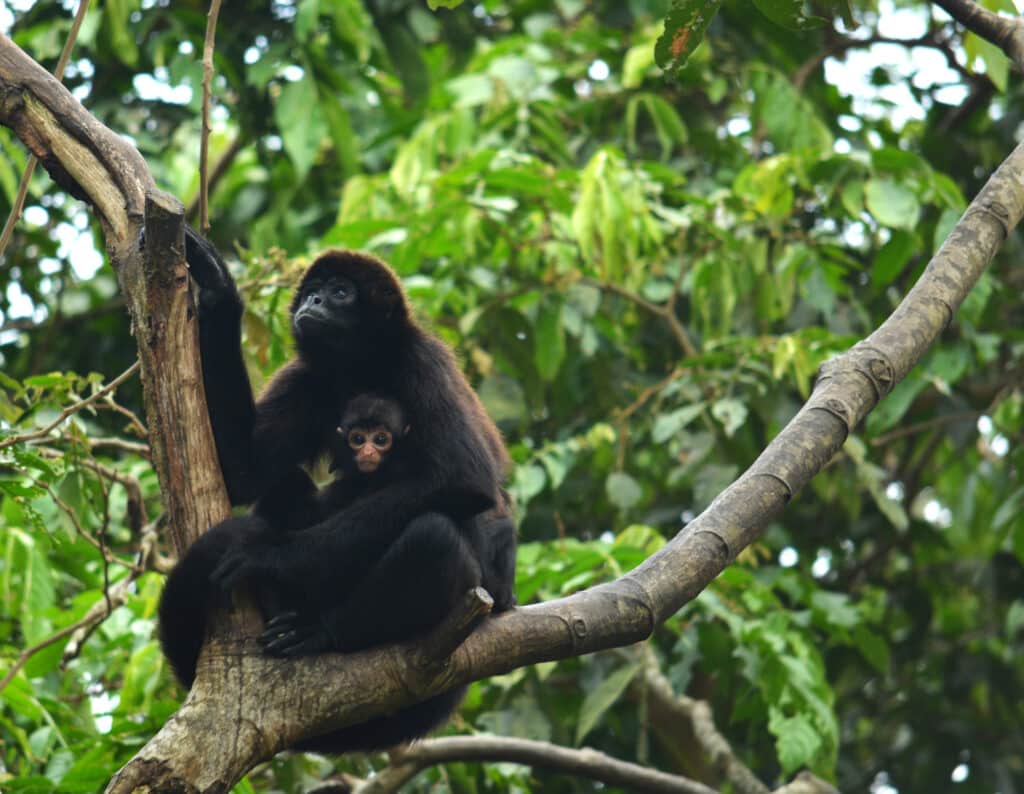
The Ecuadorean spider monkey is one of the most endangered primates on Earth. With an estimated 300 left in the wild, every remaining individual matters. But increasingly, those individuals exist as part of far-flung family groups, constrained to isolated islands of forest habitat.
In our latest Closer Look, Nathalia Fuentes and Felipe Alfonso-Cortes, co-founders of Washu, took us into the Ecuadorian Chocó forest to explain what this landscape fragmentation actually means for spider monkey families—and what it will take to reverse it.
Washu’s approach centers on working directly with local farmers to protect forest habitat, while improving their own livelihoods. Over 900 acres of Chocó forest are now under this model, with 514 acres directly protected by the families themselves. It represents incredible progress, but we also have so much farther to go.
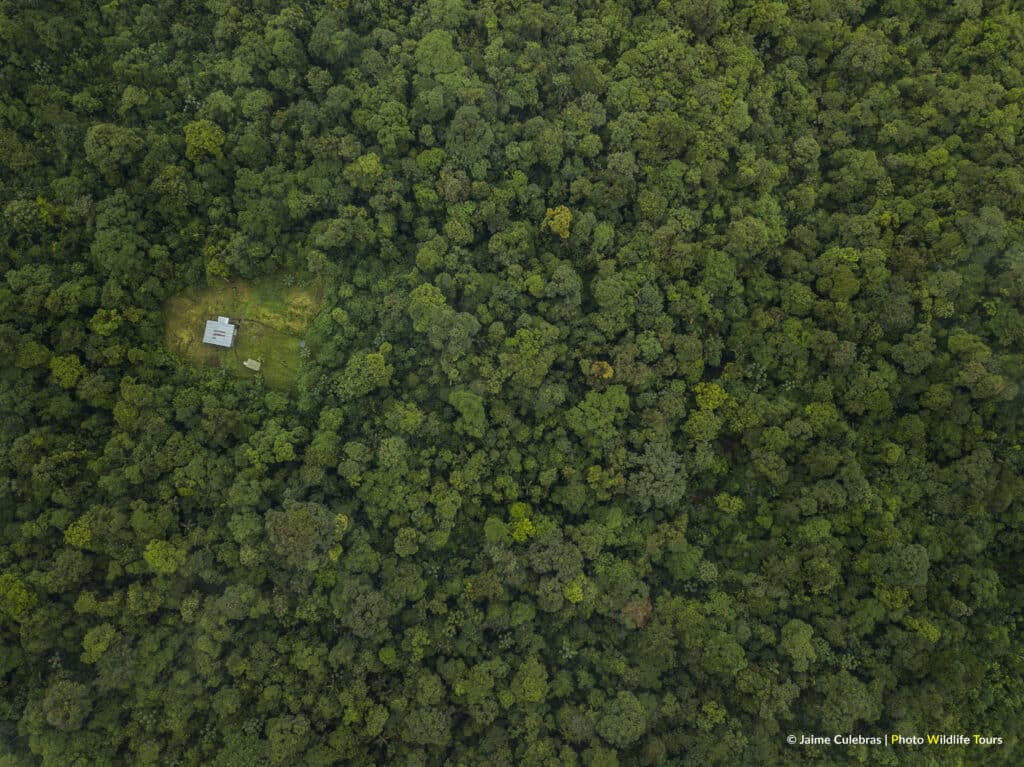
Disconnected groups of Ecuadorian spider monkeys face real long-term risks, including limited genetic diversity, restricted access to food and mates, and heightened vulnerability to any single threat wiping out an entire isolated population. Rebuilding connectivity between these fragments may be the difference between recovery and extinction for this incredible primates.
Watch the full conversation below to hear directly from the team restoring, connecting, and protecting the last remaining strongholds of the Ecuadorean spider monkey.