


Peru is a land of extremes, from coastal deserts to the jagged, mist-shrouded peaks of the Andes. Tucked within the high-altitude islands of cloud forest are some of the world’s most elusive and endangered species. I recently returned from a journey across Peru to visit two remarkable conservation teams, Spectacled Bear Conservation (SBC) and Yunkawasi. What I found was a powerful reminder that the future of wildlife depends on the people who live alongside them.
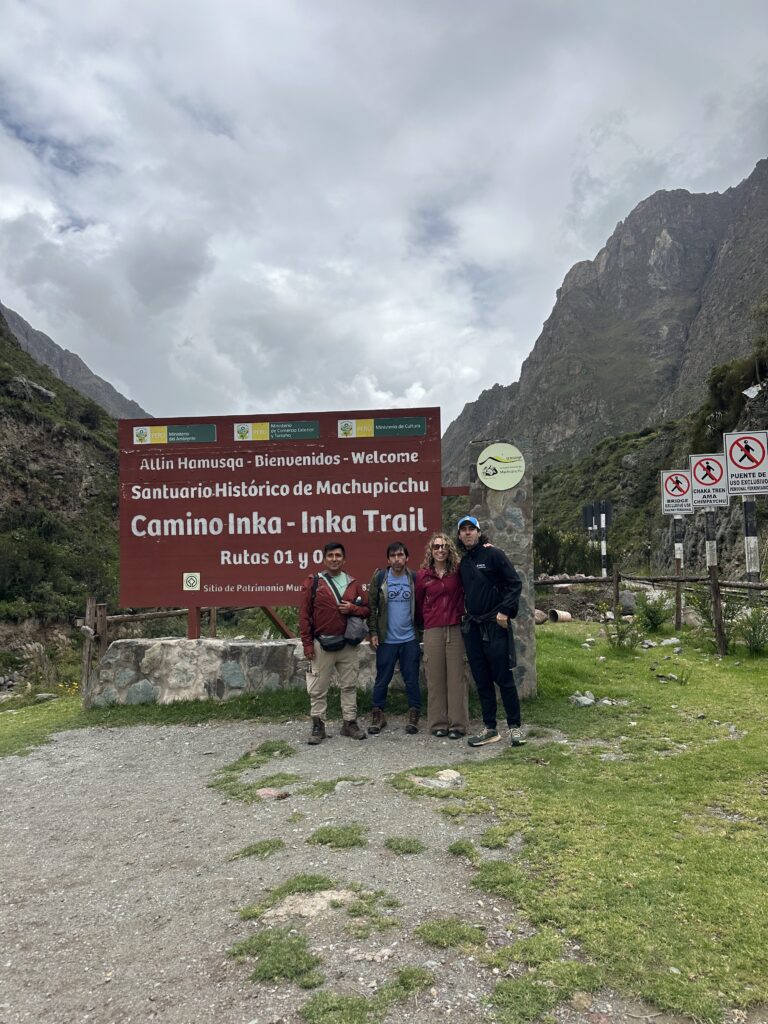
My journey began in the shadow of Machu Picchu. While millions of tourists visit to learn of the rich cultural history of the Inca Empire, Spectacled Bear Conservation (SBC), a member of WCN’s Partner Network since 2016, focuses their conservation efforts there to understand the health of the bear population that roam the surrounding peaks. Machu Picchu’s natural setting sits on the eastern slopes of the Andes encompassing the upper Amazon basin with its rich diversity of flora and fauna, including the spectacled bear. For the first time ever, SBC has deployed GPS collars on spectacled bears here to identify critical breeding and feeding grounds in Machu Picchu’s Historic Sanctuary. Their network of 200 camera traps has already revealed a thriving population—detecting at least 43 individual bears—alongside species never before recorded in the area, like the kinkajou and the rare northern tiger cat. This was not easy work. Imagine putting a camera every half mile over an area the size of San Francisco while navigating challenging terrain with a heavy backpack—scrambling up and down steep cliffs, fording streams, and adapting to dramatic changes in elevation and climate. SBC’s efforts are ensuring that the growth of tourism doesn’t come at the expense of the bears’ last remaining habitat.
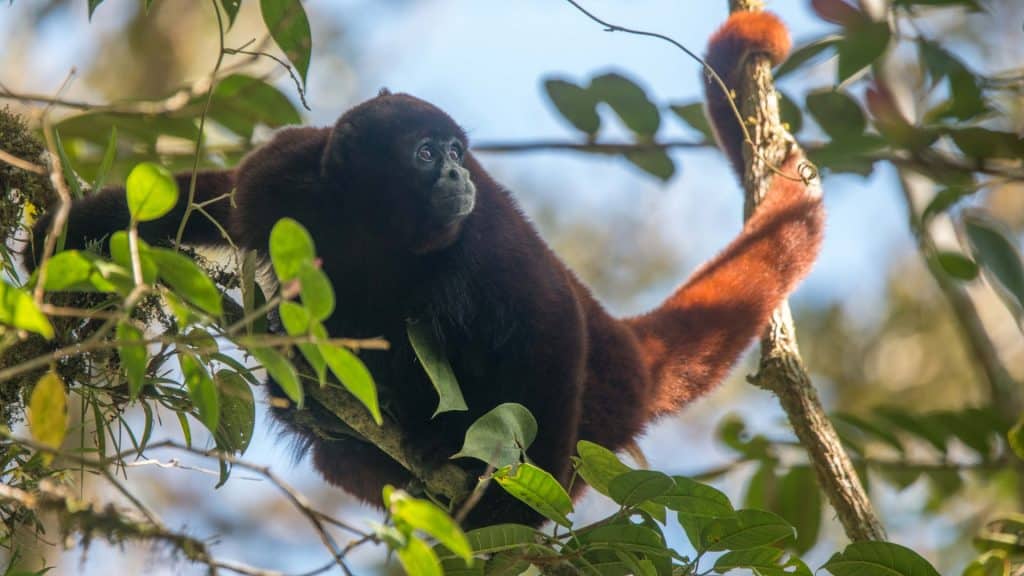
From Cusco, I traveled north to the Amazonas region to meet Fanny Cornejo and the Yunkawasi team. Their mission is centered on one of the rarest primates on Earth: the yellow-tailed woolly monkey. With its mahogany fur and striking yellow tail tufts, this monkey is more than just a species; it is an “engine of ecological recovery”. As it moves across the ridges, it disperses seeds that grow into the canopy of tomorrow, sustaining the water and soil that local communities depend on.
What makes Yunkawasi’s approach so inspiring is their commitment to local autonomy. In the village of Beirut, Corosha, Yunkawasi helped establish the Oso Dorado Association—a legally registered community group that now manages its own conservation funds and programs. Today, the people who live in these forests are the ones who monitor the wildlife, lead eco-tourism efforts, and serve as the stewards of their ancestral land. Yunkawasi has turned this rare primate into a national symbol of pride through their national campaign, “Achórate por el mono choro de cola amarilla” (“Stand up for the yellow-tailed woolly monkey!”), even landing its likeness on a commemorative Peruvian coin.
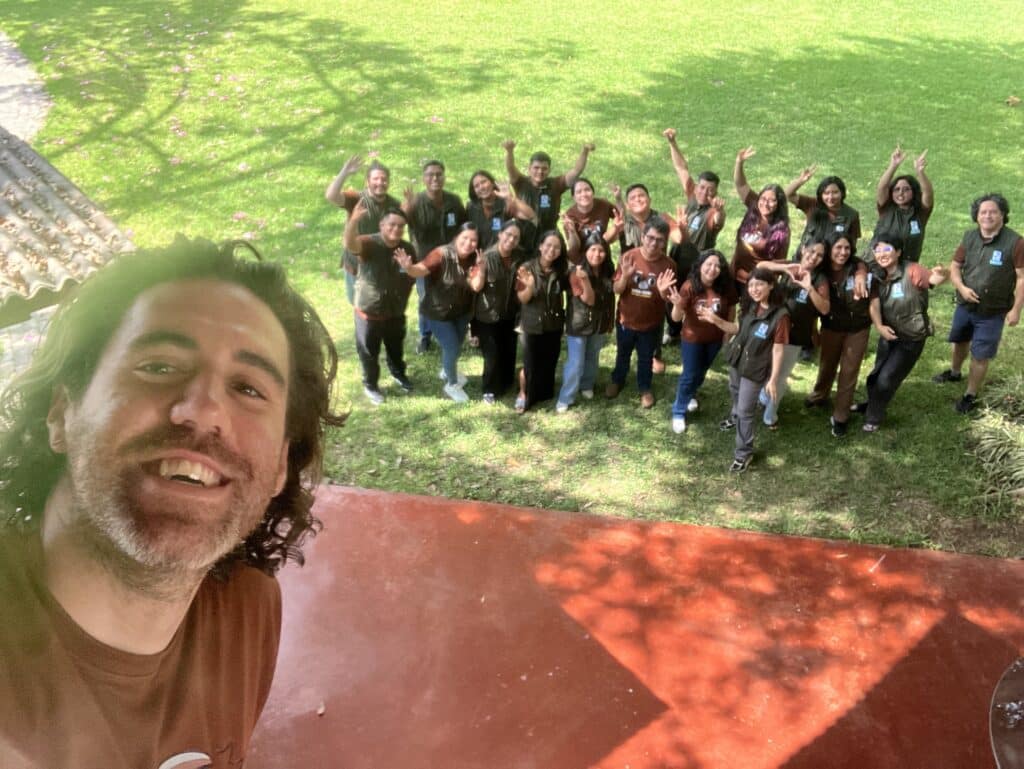
After also joining the Yunkawasi team for their all-staff retreat outside of Lima, I felt a deep sense of hope. Their energy and professionalism are world-class. As WCN continues to vet Yunkawasi for our Partner Network, I am reminded of why we do this work—to back the visionary leaders who are ensuring that Peru’s wild frontiers remain wild for generations to come.
Whether it’s a bear navigating the cliffs of Machu Picchu or a monkey swinging through the canopy of Amazonas, the story is the same: conservation is most successful when local communities lead efforts in their own landscapes, drawing on traditional knowledge, cultural connections to wildlife, and deep understanding of local contexts. By incorporating diverse perspectives and building collaborative relationships, we strengthen our collective ability to protect wildlife and ecosystems.