


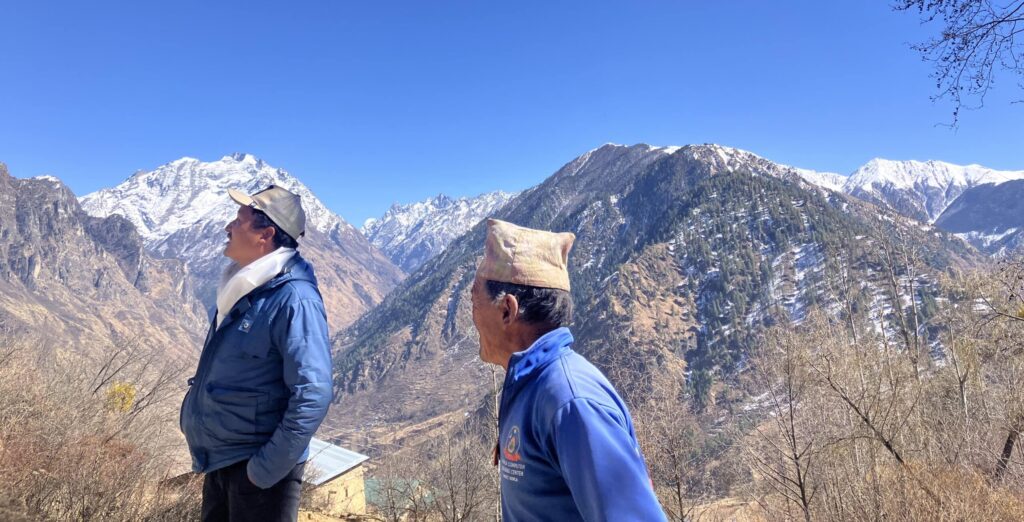
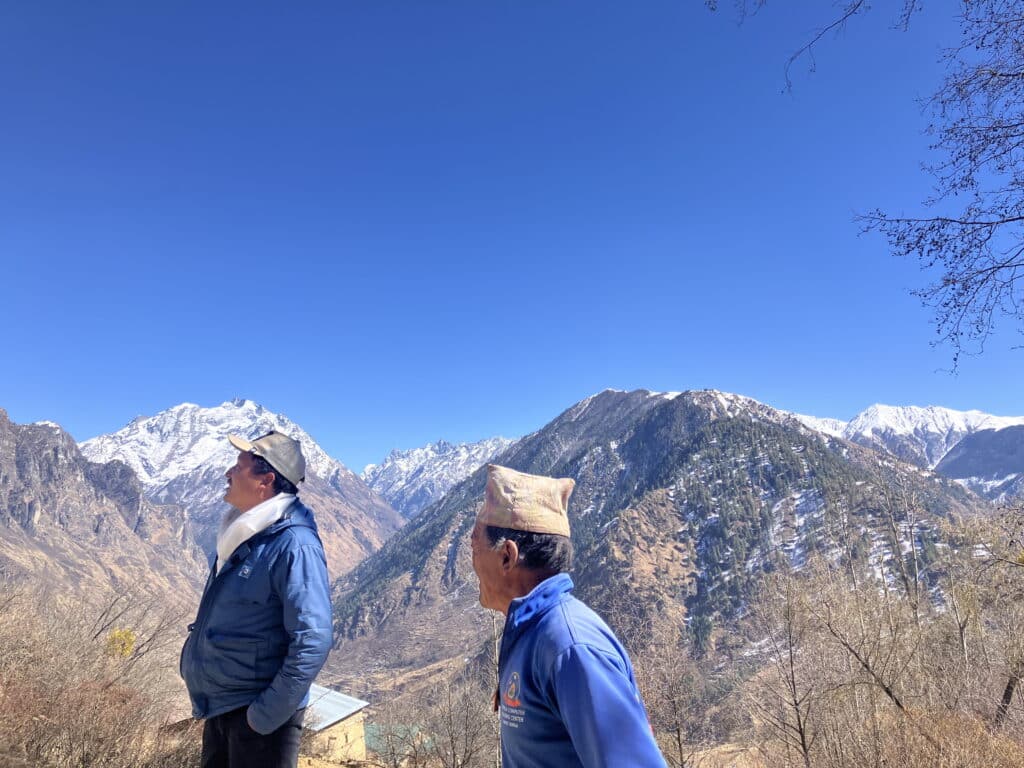
High in the rugged peaks of Nepal’s Humla District, the air is thin, the landscape is vast, and the silent “ghost of the mountains”—the snow leopard—reigns supreme. But for Rinzin Phunjok Lama, these mountains aren’t just a remote wilderness; they are home.
As Senior Manager of WCN’s Partner Network, I recently had the amazing opportunity to travel Nepal to walk the ground with the local conservationists who are redefining what it means to protect wildlife. From the high-altitude villages of Humla to the bustling urban corridors of Kathmandu, I saw firsthand how deep community roots are the most powerful tool we have in the fight against extinction.
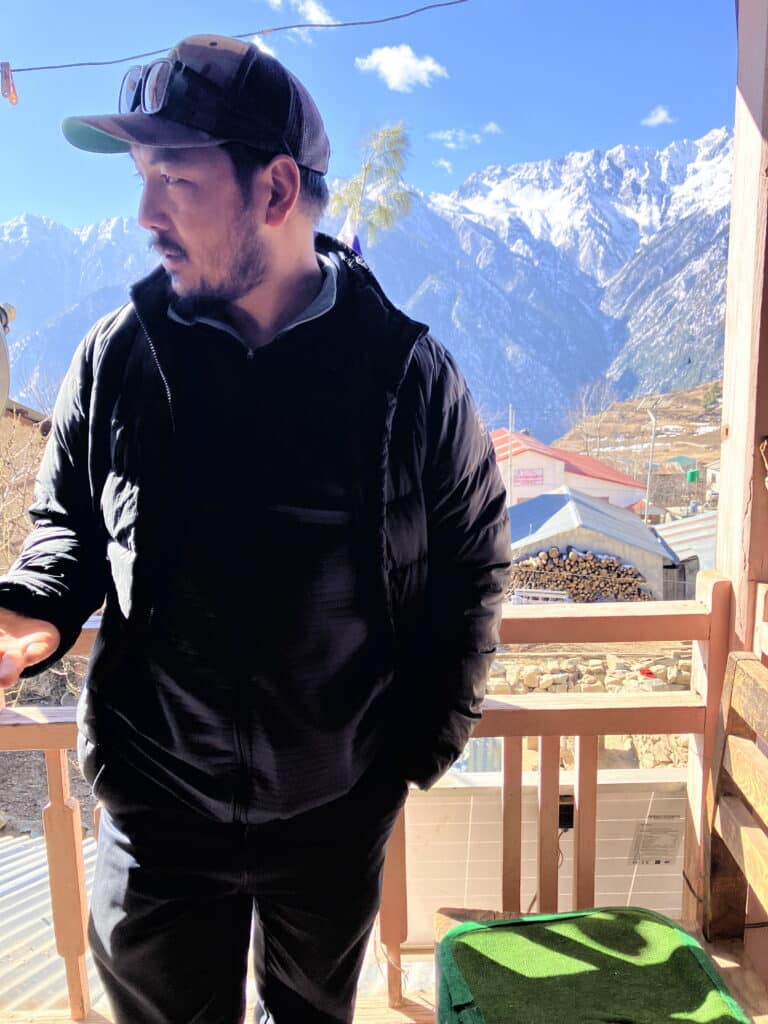
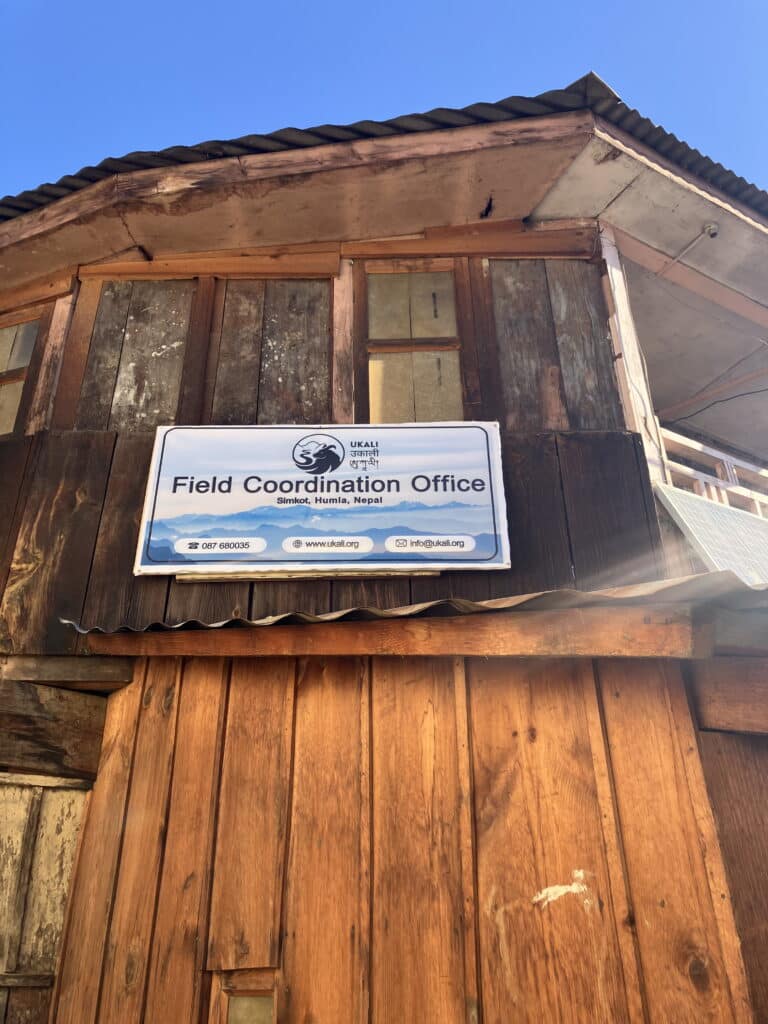
My journey began in Humla with UKALI (Upper Karnali Landscape Initiative). Founded by Rinzin Phunjok Lama, a native of the Nyinba Indigenous community, UKALI is a testament to the power of locally-led conservation. Rinzin isn’t just a scientist; he is a bridge between ancient tradition and modern research.
Already recognized as a TIME Next Generation Leader, Future for Nature Award, and Rolex Award winner, Rinzin’s commitment to his community and the snow leopard is unparalleled. Nepal holds roughly 7-8% of the world’s snow leopards, and nearly half of their habitat lies outside protected areas. This is where UKALI steps in, working directly with communities to turn potential conflict into coexistence.
By using camera traps and genetic analysis, Rinzin’s team – entirely composed of local residents – is monitoring a population facing a projected 40% habitat loss due to climate change. Their work ensures that the well-being of the mountains sustains both the wildlife and the billion people downstream who depend on these ecosystems.
Returning to Kathmandu, the focus of my trip shifted from fieldwork to legal advocacy with Greenhood Nepal, a key collaborator and grantee of WCN’s Pangolin Crisis Fund. Led by the outspoken Kumar Paudel, Greenhood tackles the thorny issues of illegal wildlife trade and policy. Kumar’s approach is as compassionate as it is rigorous. After interviewing over 150 people convicted of wildlife crimes, he realized that most were marginalized individuals driven by poverty, while the true criminal networks remained untouched. His 2018 petition to the Supreme Court challenged the influential elite who flaunted illegal wildlife parts. After five years of perseverance, the Court ruled in his favor, ordering the government to implement wildlife laws fairly and focus on breaking the networks rather than just punishing the poor.
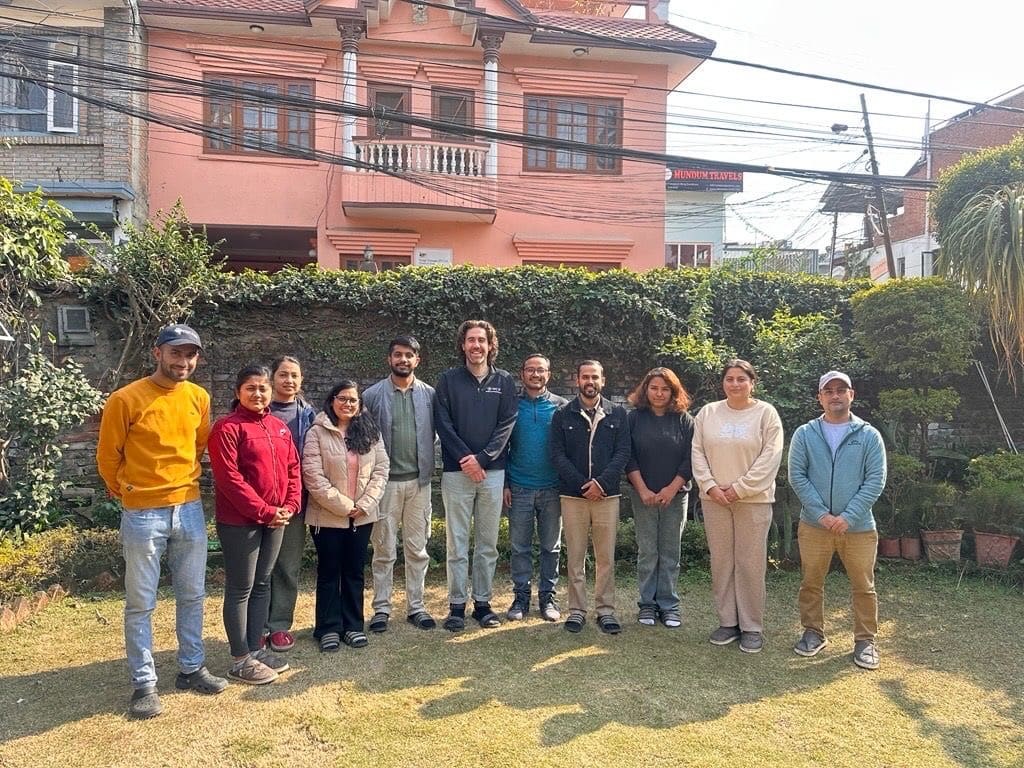
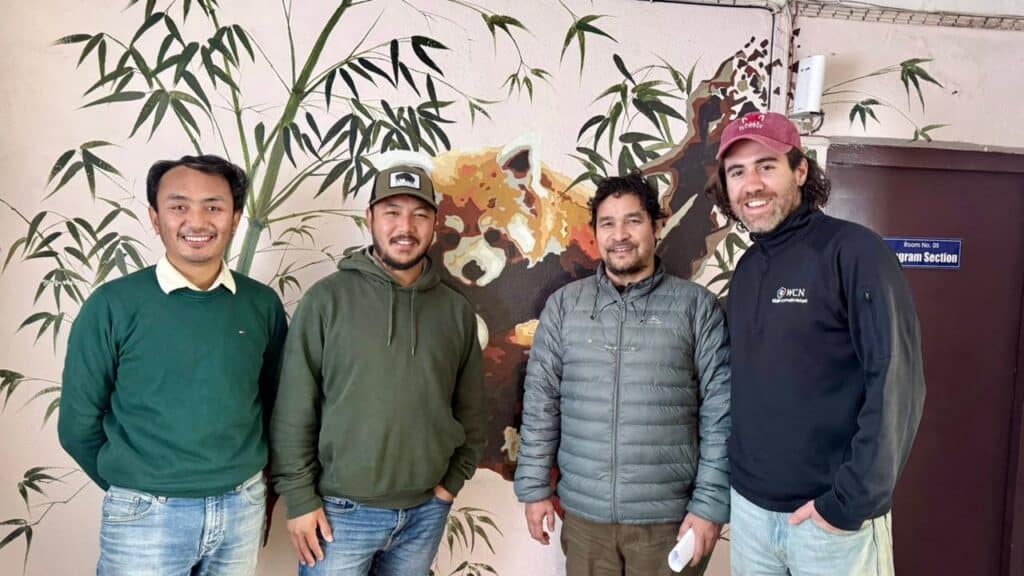
The trip also offered a chance to reconnect with old friends from WCN’s Scholarship Program like Sonam Tashi Lama and Dr. Damber Bista at the Red Panda Network. Sonam, a 2016 WCN Scholar, has risen from a Community Coordinator in eastern Nepal to a national leader in red panda conservation. Seeing his growth—and the organizational stability of the Red Panda Network—is a beautiful example of how WCN’s investment in people can lead to lasting, sustainable conservation success.
WCN has always believed that conservation is most impactful when led at the local level and committed long-term. My visit to Nepal confirmed that organizations like UKALI and Greenhood Nepal are leading the next chapter of Nepal’s conservation story. They aren’t just protecting animals; they are building resilient ecosystems where people and wildlife can thrive together.