


California Governor Gavin Newsom signed SB 1250 into law on Tuesday, September 29, a milestone years in the making for wildlife connectivity in California. Its passage is largely thanks to a statewide coalition—including WCN’s California Wildlife Program—that spent more than a year developing the policy and building support for it among lawmakers, state agencies, and local partners across California.
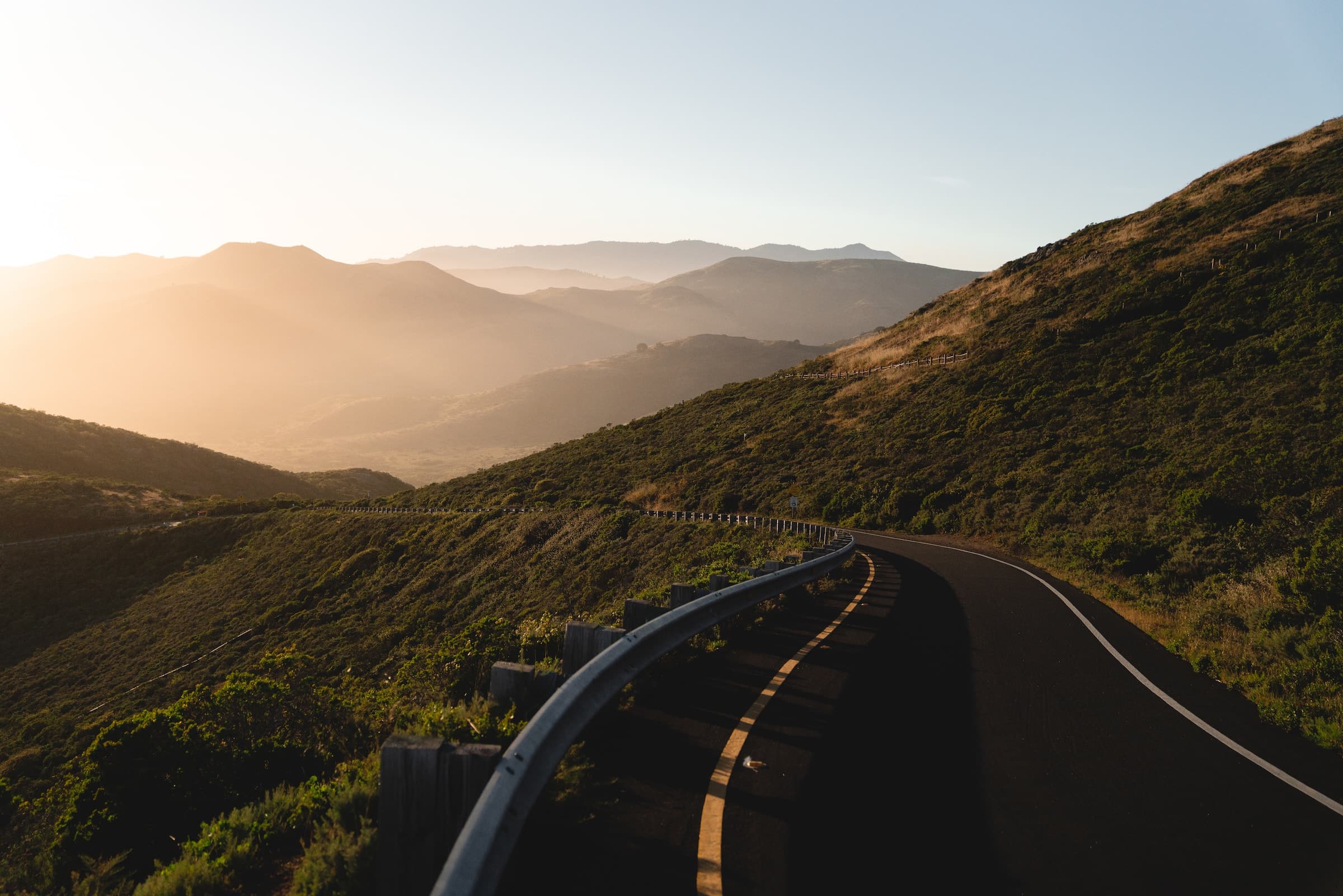
Quote“Our cities, our roads, these features in the landscape can sever migration paths or make it impossible for animals to live their day-to-day lives,” says Neal Sharma, who leads WCN’s California Wildlife Program (CWP). “One of the things we know we need to do for California is get wildlife crossings built in key locations so animals can move throughout the landscape.”
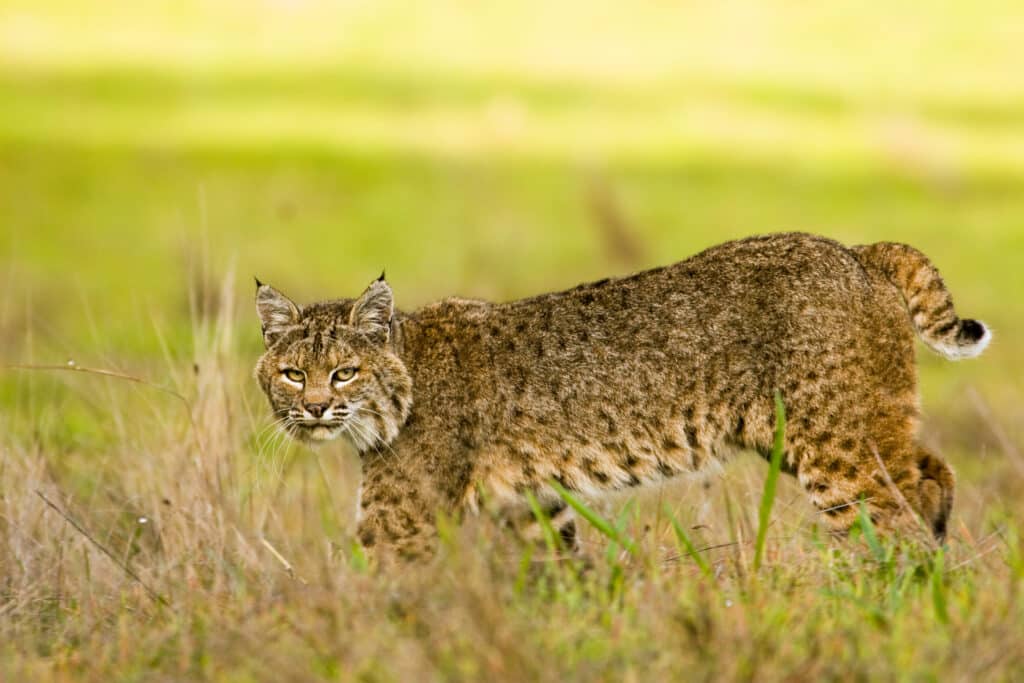
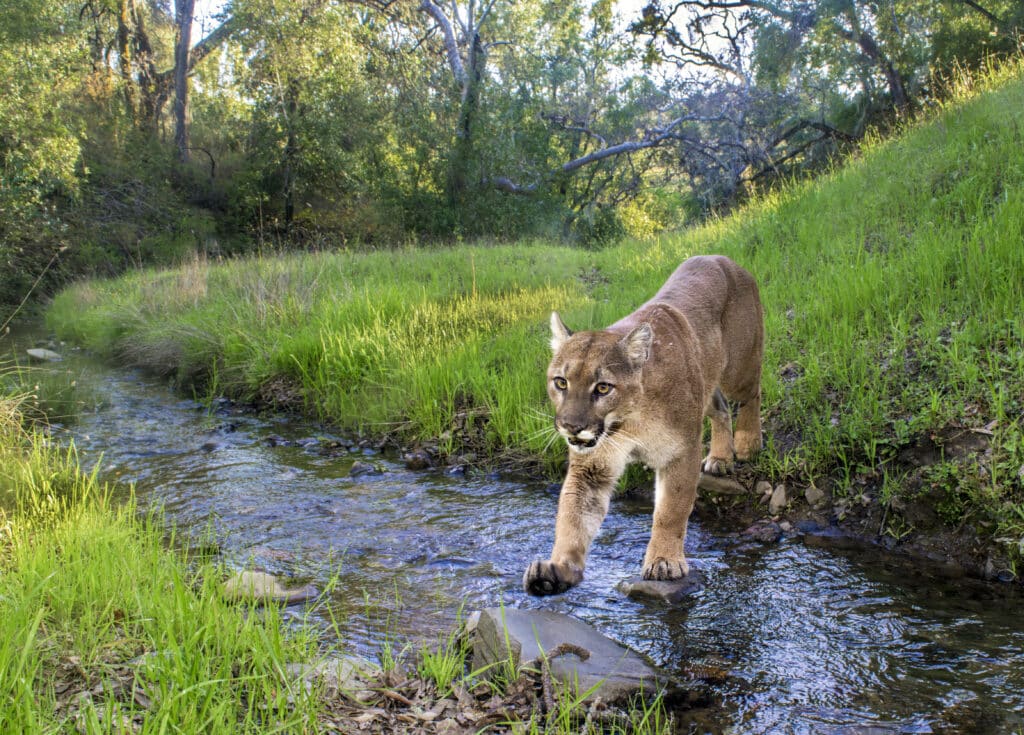
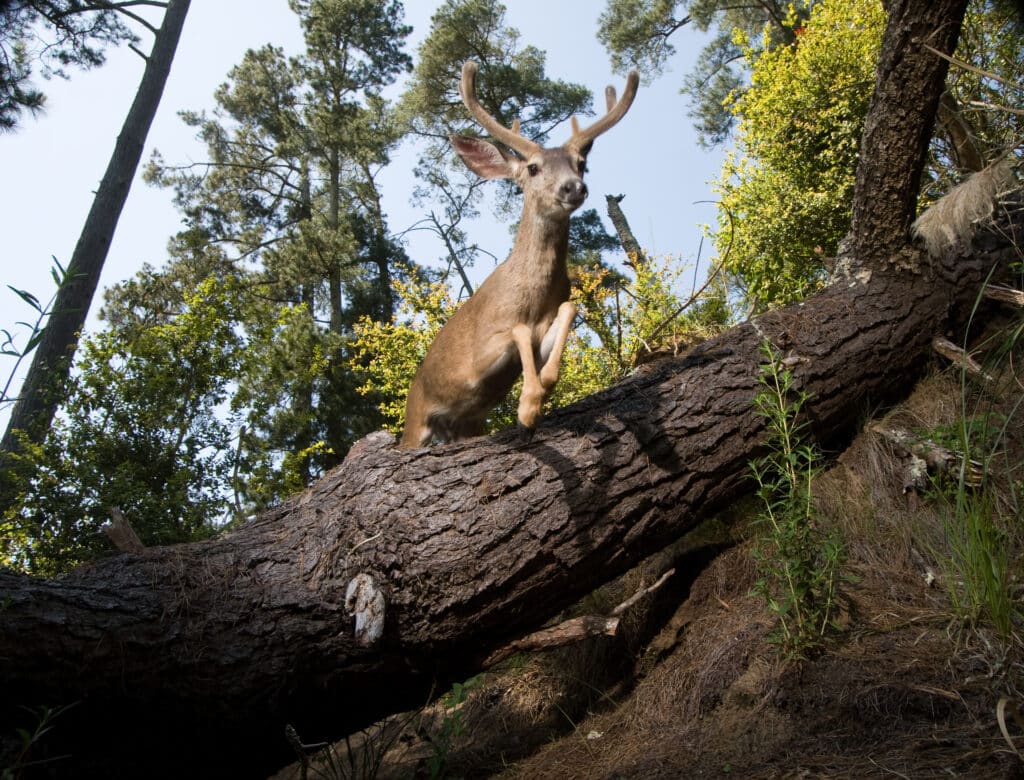
For decades, California’s highway system was planned, designed, and expanded without wildlife movement ever entering the equation—it simply wasn’t part of the conversation. Mountain lions, deer, pronghorn, bobcats, and other species have had their movements blocked or made lethal by the roads we drive every day, isolating wildlife populations and contributing to tens of thousands of wildlife-vehicle collisions annually, with a financial cost of more than $230 million per year. The most effective remedy includes well-designed crossings, paired with fencing that can cut collisions by up to 90 percent. These crossings work, but building them has long depended on ad hoc opportunity rather than a systematic plan.
SB 1250 changes that. Authored by Senator Dave Cortese, with co-authors Senators Catherine Blakespear and Henry Stern, the bill requires Caltrans, in consultation with the California Department of Fish and Wildlife (CDFW), to build wildlife connectivity into the earliest stages of highway planning—maintaining and updating a statewide inventory of priority connectivity needs, and incorporating crossing opportunities into road projects that are already planned.
It takes a coalition
The idea that became SB 1250 gained traction inside California Wildlife Reconnected, a statewide working group composed of organizations and agencies working on wildlife connectivity. The policy proposal was developed by a team of colleagues from The Nature Conservancy, WCN, Pew Charitable Trusts, Earth Advocacy, Fearless Advocacy, and Wildlands Network.
The Nature Conservancy (TNC) stepped forward to sponsor the legislation and carry it through the Capitol in partnership with Senator Cortese. WCN’s CWP funded policy advisors in Sacramento and worked alongside TNC and the coalition throughout, weighing in as amendments were negotiated with legislators and agencies. By the time the bill reached the Governor’s desk, support extended well beyond that original working group with regional open space agencies and local officials testifying in support. “Thanks to our supporters, we are able to direct funds to various aspects of the campaign, but it’s just as much about developing and supporting the right team to work together to get something specific done,” Sharma says.
Benefits that go beyond one species
While pumas are often the public face of this issue, Sharma is quick to broaden the frame. “This is about connectivity for all species and the resilience of these ecosystems,” he says. Whether it’s mule deer, pronghorn, badgers, or newts, Sharma notes—all stand to benefit from a highway system planned with their movement in mind.
What’s next?
SB 1250 takes effect January 1, 2027, and Caltrans’ next biennial connectivity inventory is the first chance to put it into practice, folding priority crossings into project pipelines already underway, or advancing them on their own where the need is urgent. CWP is directly involved in eight priority crossings throughout the state, with several likely to break ground within the next three years.
SB 1250 is one chapter, not the whole story. CWP is already turning the page, working with Caltrans, CDFW, and partners across the state to make sure this law becomes real crossings on real highways. The same coalition that got the bill this far isn’t packing up. It’s just getting started.