


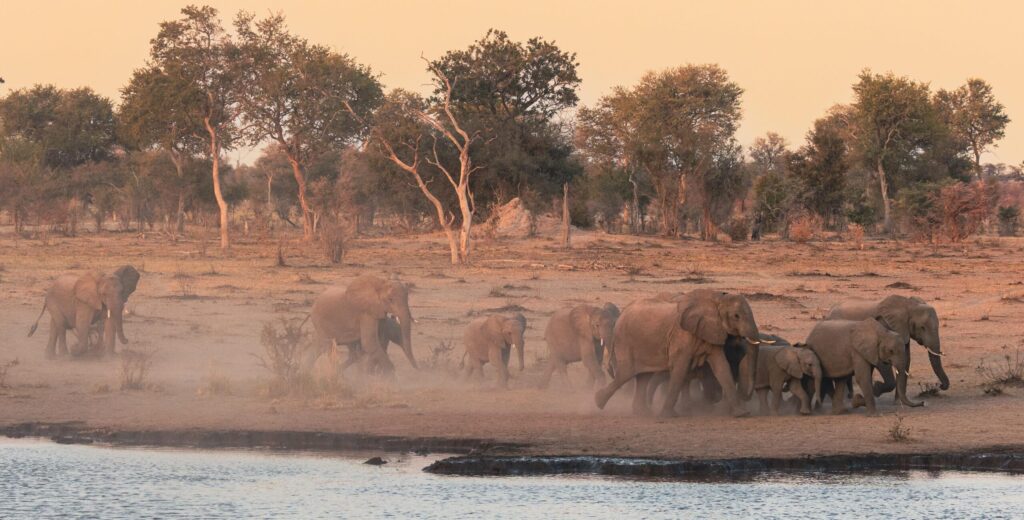
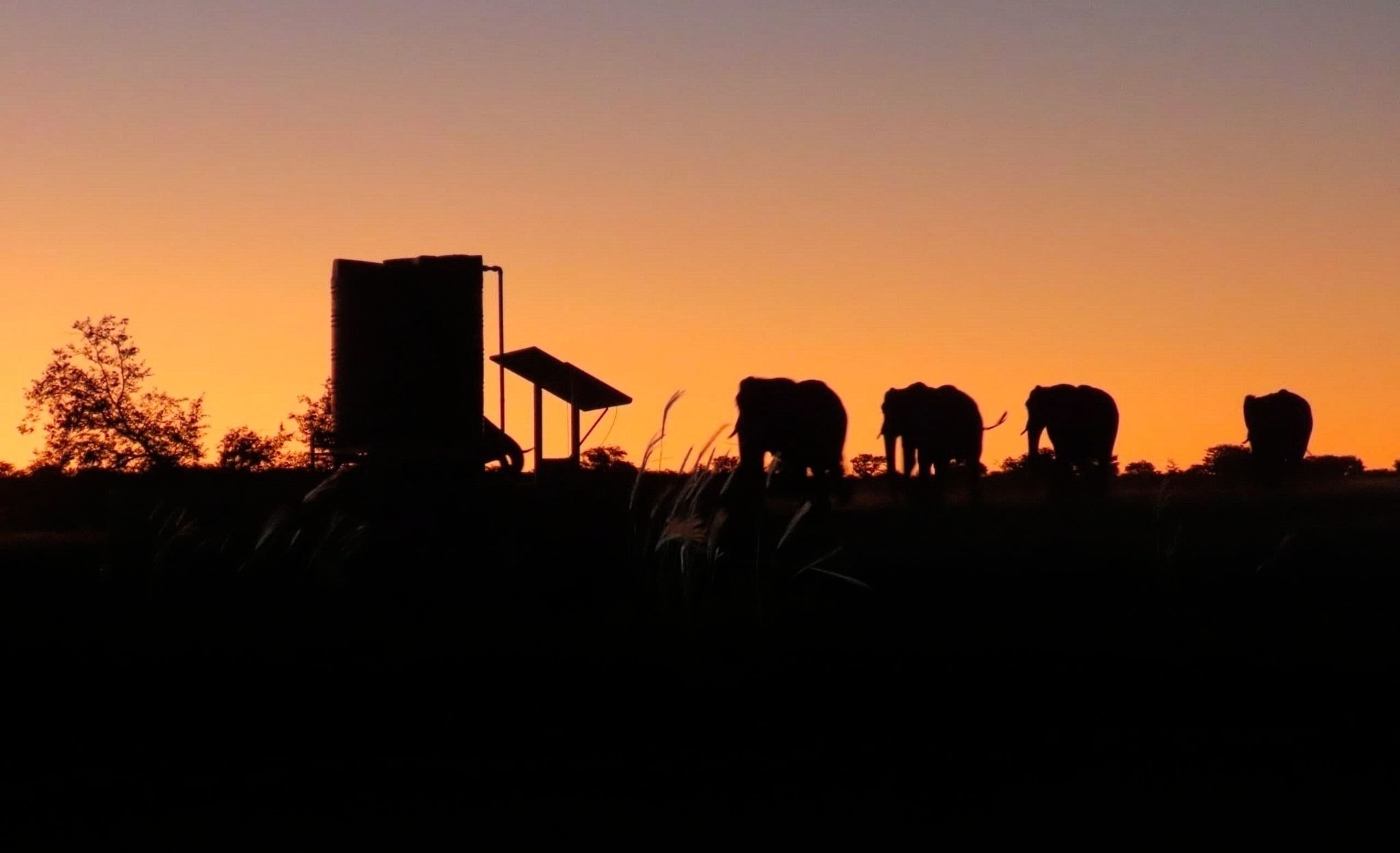
In northwest Namibia, rainfall is scarce and increasingly erratic, so people and the elephants that are moving across the vast landscape are competing for the same few water points, which is a recipe for human-elephant conflict.
That conflict damages valuable pumps, tanks, kraals and gardens. When tolerance for elephants falls, it’s the elephants who pay the price.
Collar data show bulls ranging from the Ugab River towards Etosha, across farms and conservancies with very different attitudes to wildlife. A guard post in one spot is not able to keep up with that.
Elephant-Human Relations Aid (EHRA) knows this landscape well. The team has spent over 20 years monitoring the elephants here, keeping ID files on 197 known individuals, and reported conflict in their core area has fallen steadily since 2023 due to their efforts.
Based on this data, EHRA, funded by the Elephant Crisis Fund, is setting up a Mobile Coexistence Unit: this will be a vehicle-based team of responders and educators who will follow the conflict as it shifts. They will provide and teach night guarding tactics, support urgent “HEC first aid” repairs and install low-cost deterrents like chili barriers, sensor-triggered lights and bee sounds. Women are now being recruited as educators, and village water committees will be piloted as coexistence committees, so that communities increasingly lead prevention themselves.
The lessons learned reach well beyond Namibia. As climate change threatens to bring drier years to much of southern Africa, competition over water is likely to become one of the biggest drivers of conflict between people and elephants in the future. EHRA is already working in a place where that future has arrived, testing what it takes to keep both sides safe when every drop of water counts. If the mobile approach works here, it offers a practical model that other coexistence sites across the continent can adapt, long before their own waterholes run low.