


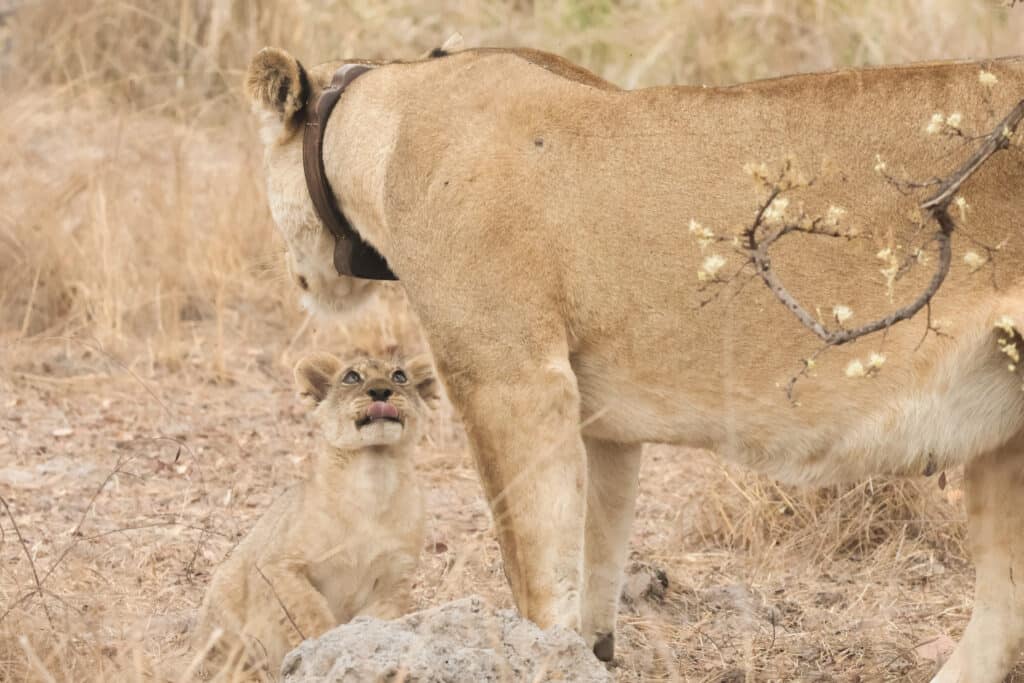
Their arrival late last year wasn’t marked ceremoniously atop a giant rock with hundreds of animals looking on, but the birth of four lion cubs in Zambia’s Nsumbu National Park is something to be celebrated loudly and globally. They were the first cubs born there in more than a decade, joining three adult lions and a host of zebra and buffaloes that had been reintroduced in the park just over two years prior.
The Nsumbu Project was one of the Lion Recovery Fund’s earliest investments, and in some ways was a bold decision starting out, as Nsumbu had no lions and had never been considered a lion stronghold. However, kickstarting effective management in neglected landscapes is a huge part of what the LRF is about. Using lions as flagships to protect savannah landscapes and thus benefit savannah biodiversity writ large. LRF’s willingness to support this project helped give Frankfurt Zoological Society (FZS) the courage to take on the Nsumbu Project. Support from Disney also played a key role in making this possible, as it enabled the LRF to issue a series of grants.
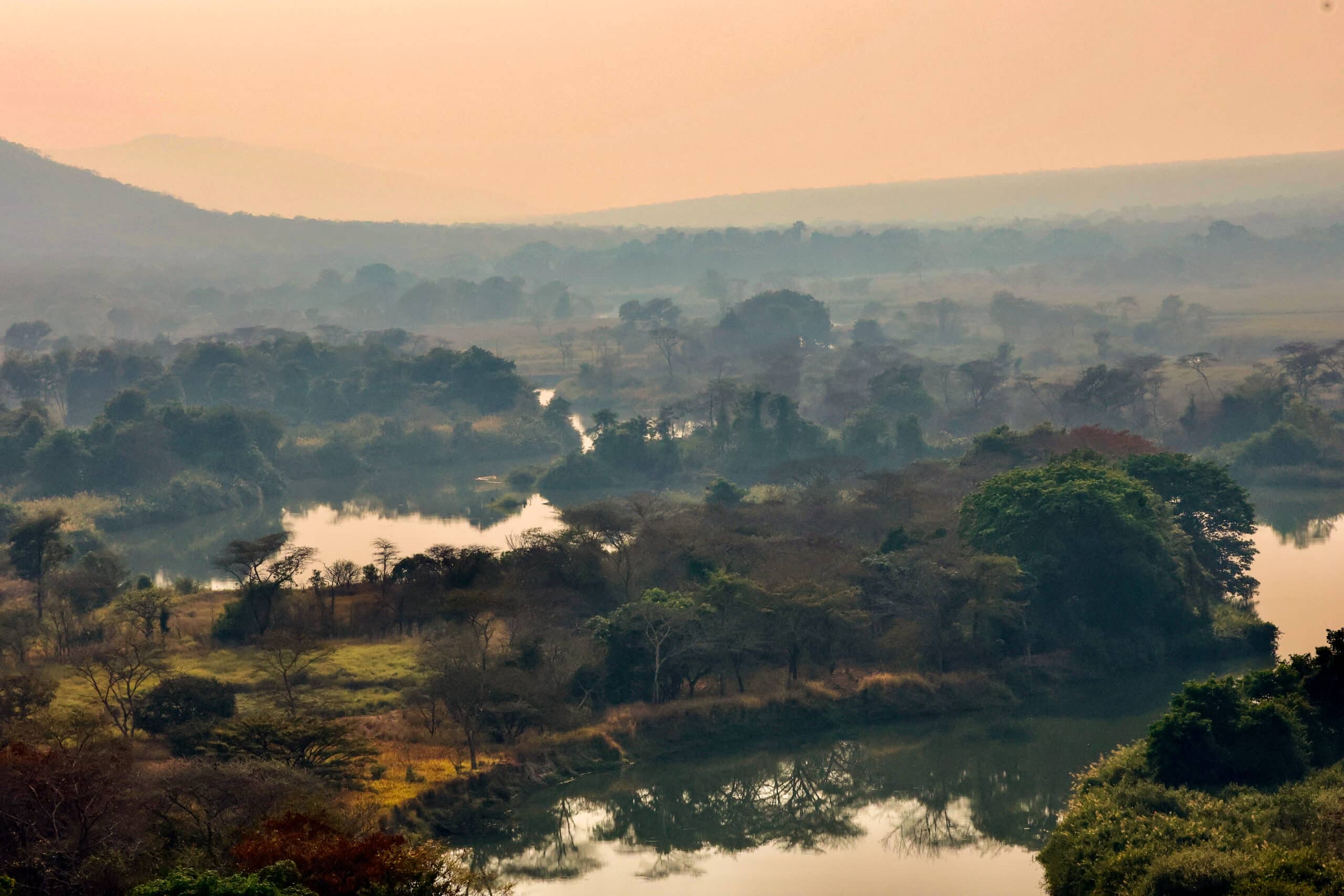
In the years prior to working with Wildlife Conservation Network to manage the LRF, I worked with the NGO Panthera as a research scientist. I was working on an assessment of the performance of protected areas for lions and their prey. The study showed, starkly, how poorly lions were doing, even in protected areas.
One interview I had during that study was especially memorable. Craig Zytkow, who owns a lodge on the shores of Lake Tanganyika inside Nsumbu National Park in northern Zambia, was lamenting the fact that the park was being hammered by poaching and that lions were on the edge of disappearing. Craig was spending a fortune of his own funds protecting a bubble around his lodge, but it was a losing battle. The last lions of Nsumbu disappeared shortly after and Nsumbu joined the long list of parks that had lost their lions.
But then something changed. In 2017, FZS made the decision to partner with the Zambian wildlife authorities to support management of the park. They hired Craig as their project lead and things took a sudden, dramatic turn for the better.
Big-Screen Connection
To celebrate the 2019 reimagining of “The Lion King,” Disney launched the global PROTECT THE PRIDE campaign in collaboration with WCN’s Lion Recovery Fund (LRF) to raise awareness of the crisis facing lions. The birth of the lion cubs in Zambia’s Nsumbu National Park is a great example of the types of efforts Protect the Pride has allowed the LRF to do.
- The Protect the Pride campaign raised more than $4.8 million for the LRF.
- The campaign was reprised for 2024’s release of “Mufasa: The Lion King,” celebrating the successes to date and looking toward a future when lions and people thrive.
- Protect the Pride spotlights the stories of the people on the frontlines of lion recovery, aiming to increase awareness of the plight of the species, and invite meaningful conservation solutions that protect lion habitats, strengthen local communities, and secure a future for these majestic creatures.
A Striking Difference
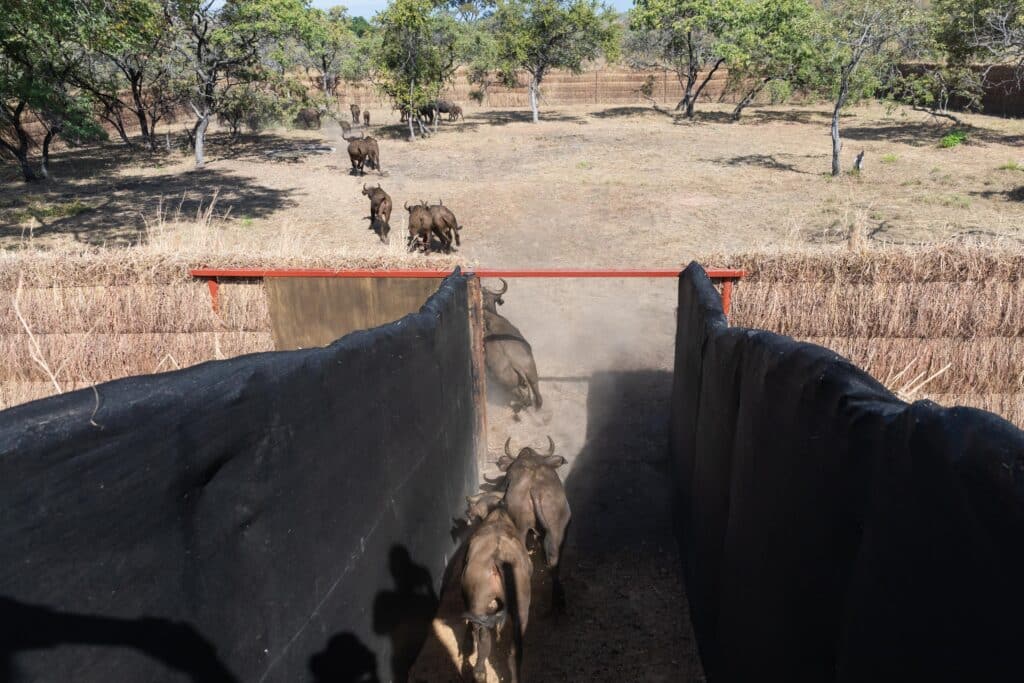
FZS and the Zambian authorities tackled the rampant poaching that had resulted in lions disappearing and wildlife populations having cratered. They brought poaching under control and wildlife started to recover. With LRF support, zebra and buffalo—key lion prey species—were reintroduced.
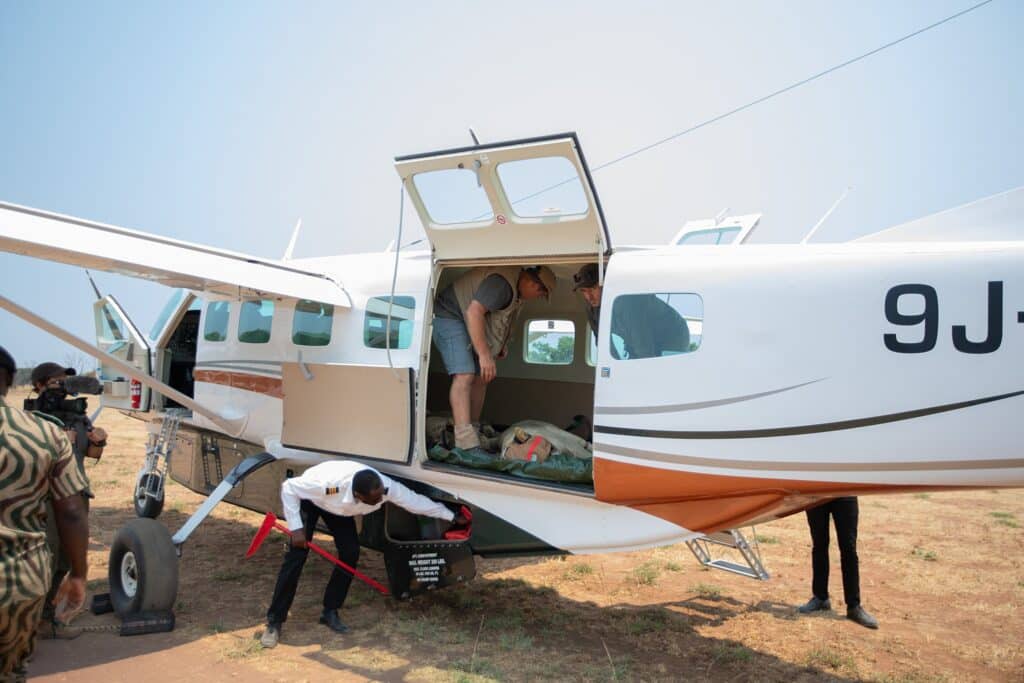
I visited Nsumbu in 2017 and then again in 2023, and the difference was striking—wildlife populations were much larger and more widely distributed. Then in 2024, with support from the LRF, lions were reintroduced to the park. Starting conservatively, two females and one male were reintroduced. The two females have now had two cubs each, and the population is well on the road to recovery. More lions will be introduced in the future to ensure genetic diversity, but the initial reintroduction was a roaring success!