


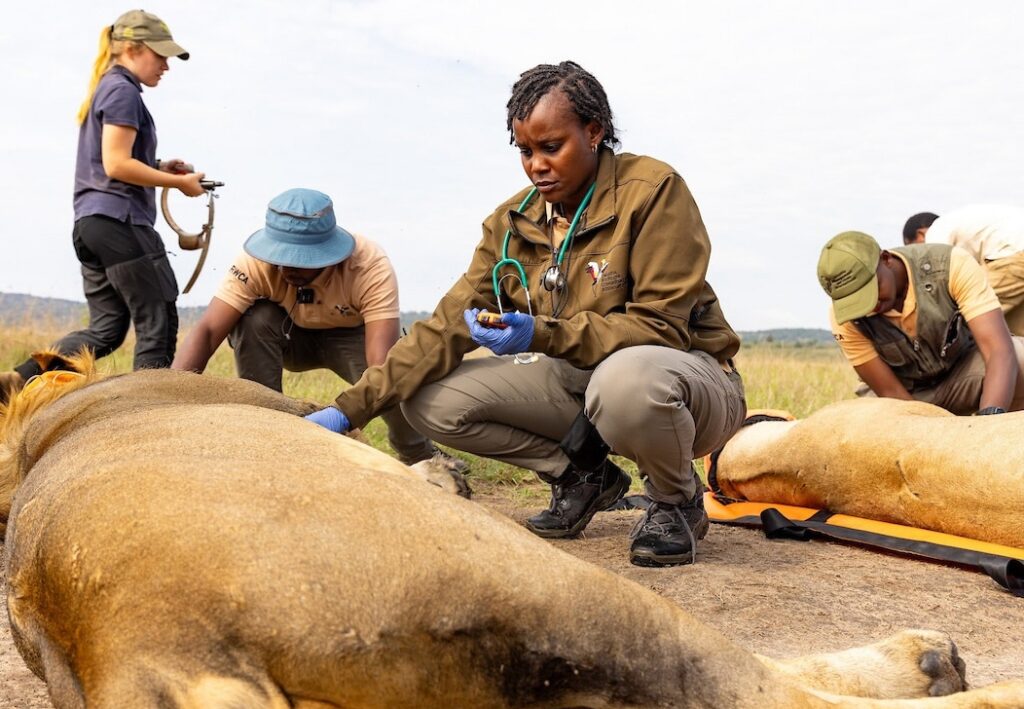
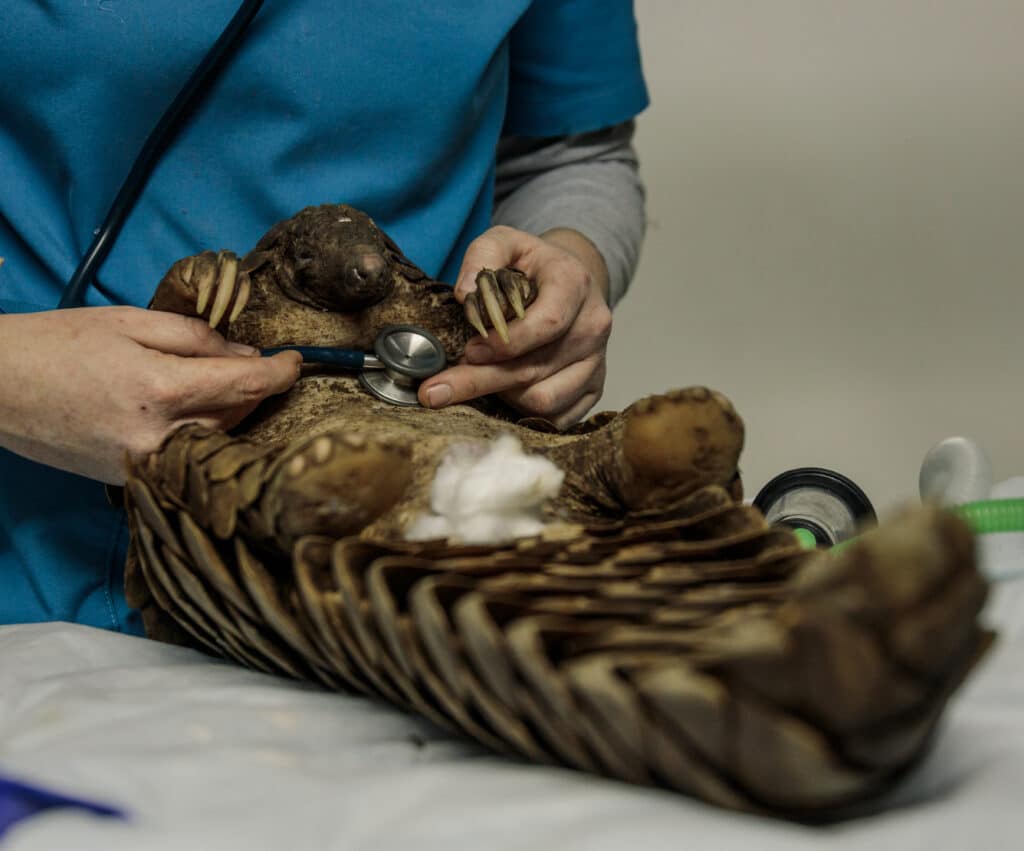
Wildlife conservation needs skilled veterinarians. This is particularly true for the complex work carried out by WCN’s Conservation Partners and Wildlife Funds—everything from rehabilitating injured pangolins in Southeast Asia, to translocating black rhinos in Southern Africa, to running vaccination campaigns for Ethiopian wolves in the Bale Mountains. But despite their importance, the need for skilled vets far outstrips the supply. Some regions have little or no veterinary coverage at all, forcing organizations to fly in specialists only after an emergency has already occurred. Meanwhile, many trained vets who are ready to serve often find themselves professionally isolated, without access to the equipment, labs, or networks they need to do their best work.
Gaps like these threaten to undermine investment in wildlife conservation, and WCN has long recognized the need to close them. Since 2019, we have supported 41 wildlife veterinarians and veterinary students with scholarships and career development through our Rising Wildlife Leaders program. Now, we are building on that foundation to launch a dedicated Wildlife Veterinary Program.
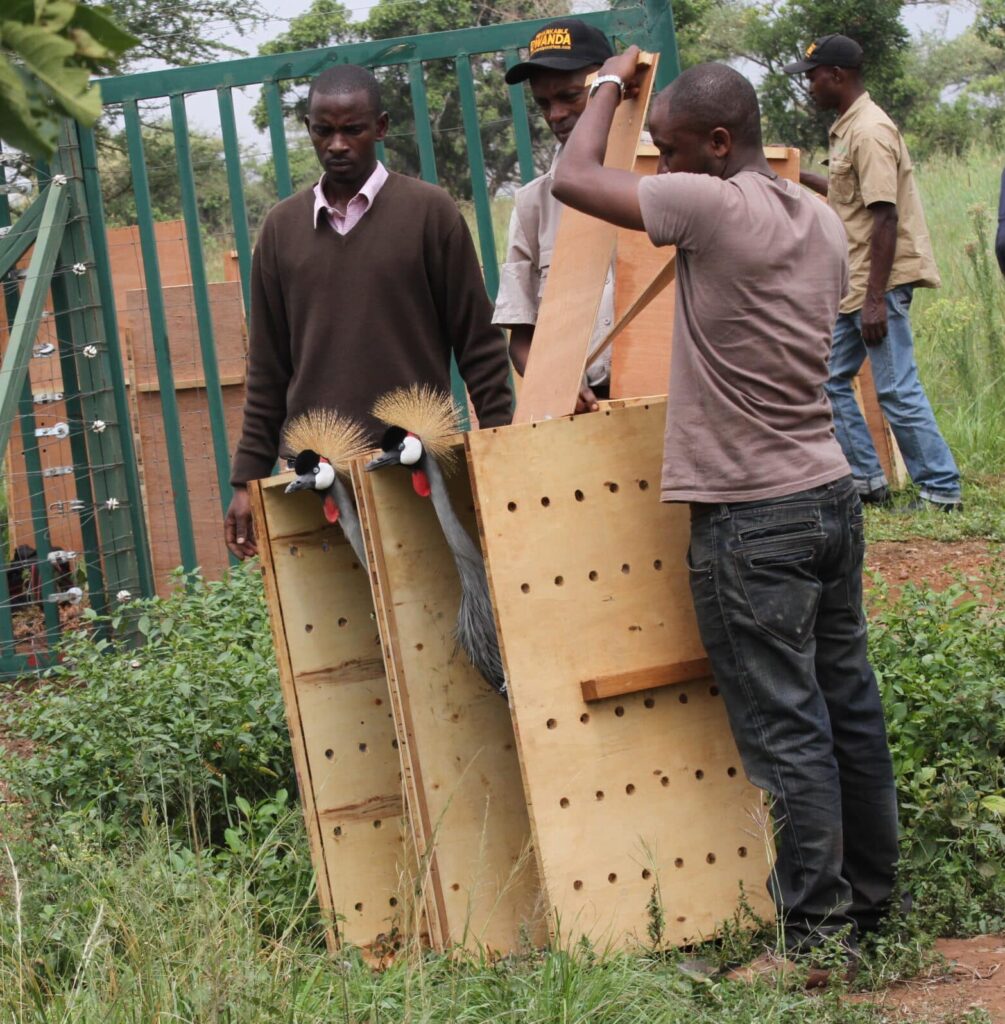
The program will provide wildlife vets with specialized training opportunities, mentorship, and scholarships. It will also help pay for the diagnostic equipment that is so often absent from the field. And perhaps most importantly, it will build a network of wildlife veterinarians through site exchanges and regional training hubs, allowing them to share knowledge and reducing the isolation that can push talented vets out of the field. And while this is a new program, it is also exactly the kind of work that WCN does best—effectively deploying resources to the field, connecting conservationists with one another, and equipping them with the skills and equipment they need to be successful.
The result will be a boon not just for the vets themselves and the conservation projects that they support, but also for the wildlife that we all care so much about. Healthier herds, prides, and litters.