


Andrés Fraiz found that if he stood in just the right spot, he could hear both sounds at once—the gentle surge of the tide as it pushed in through the roots of the mangrove forest, and the deep thrum of thousands of bees. Andrés works for WCN Conservation Partner MarAlliance, as their National Coordinator for Panama. He heard this odd combination of sounds on a field visit to the fishing village of Puerto Remedios. There, the MarAlliance team was collaborating with local fishermen to help them take up a second trade: beekeeping.
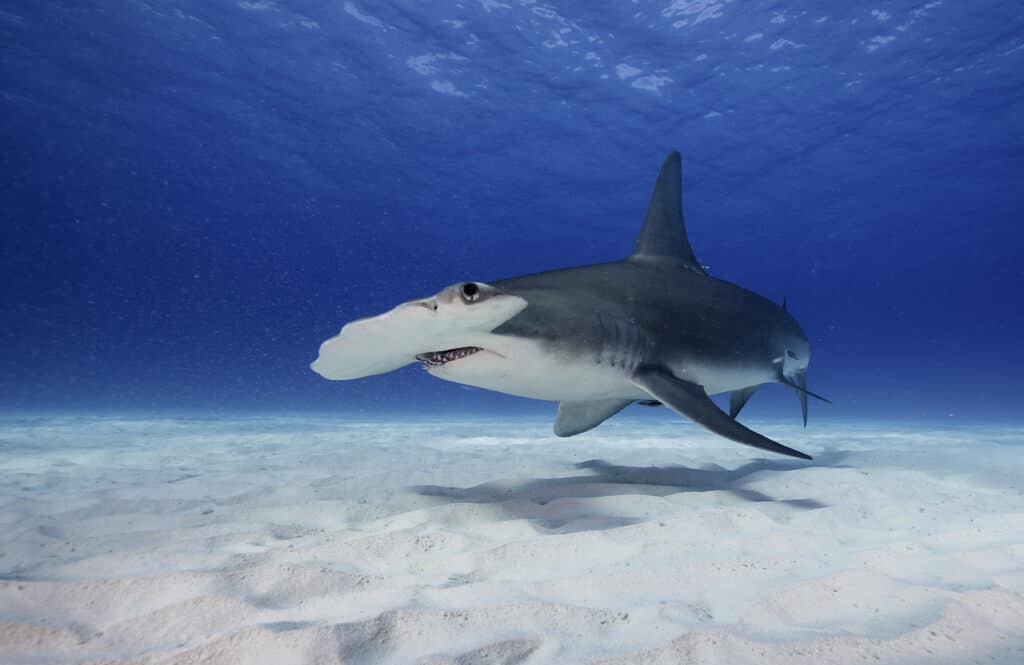
Now, at first glance you might wonder why an organization like MarAlliance, which works to conserve marine wildlife, would be involved in a beekeeping project. What could a honeybee possibly have to do with a critically endangered scalloped hammerhead shark, or a threatened whiptail stingray? But the answer was right there, in the tangled mangrove forest beyond the beehive.
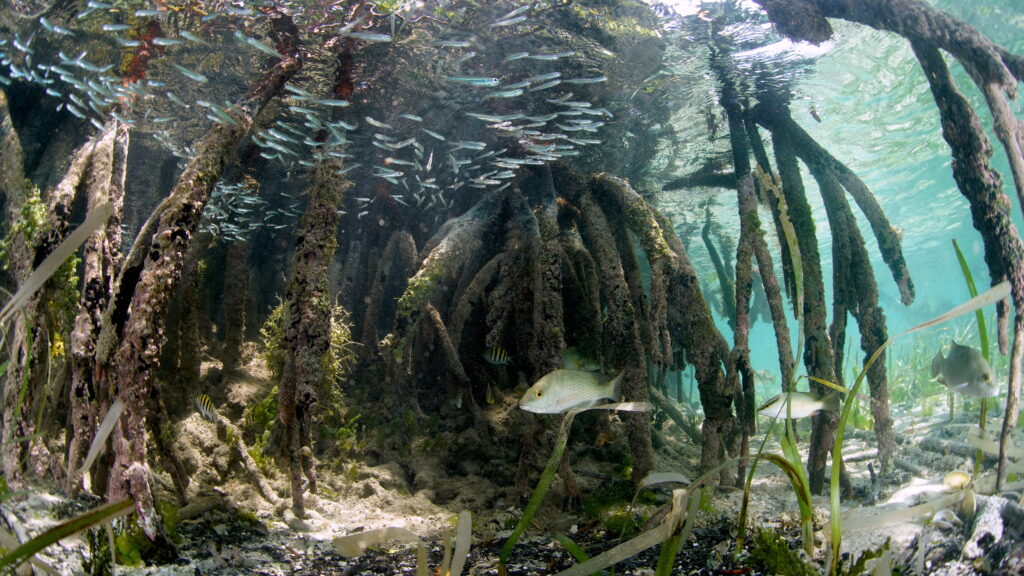
Sitting at the intersection of land and sea, mangroves are among the most productive coastal ecosystems on Earth. They buffer the shore against storms and provide sheltering nurseries for sharks, rays, and a host of other fish species. But in Central America, many mangrove forests have been degraded by agricultural conversion, logging, and development. Their health and recovery depend, at least in part, on increased pollination. And pollination depends on bees.
A solution for mangroves, and for local communities
Andrés and the MarAlliance team knew that they could not protect those mangroves, and the wildlife that depend on them, without the participation of the local community. So they designed a pilot program that put the community needs front and center. The mangrove needed more pollination to increase seed production, and the people of Puerto Remedios needed a source of supplemental food and income. Beehives could help satisfy both.
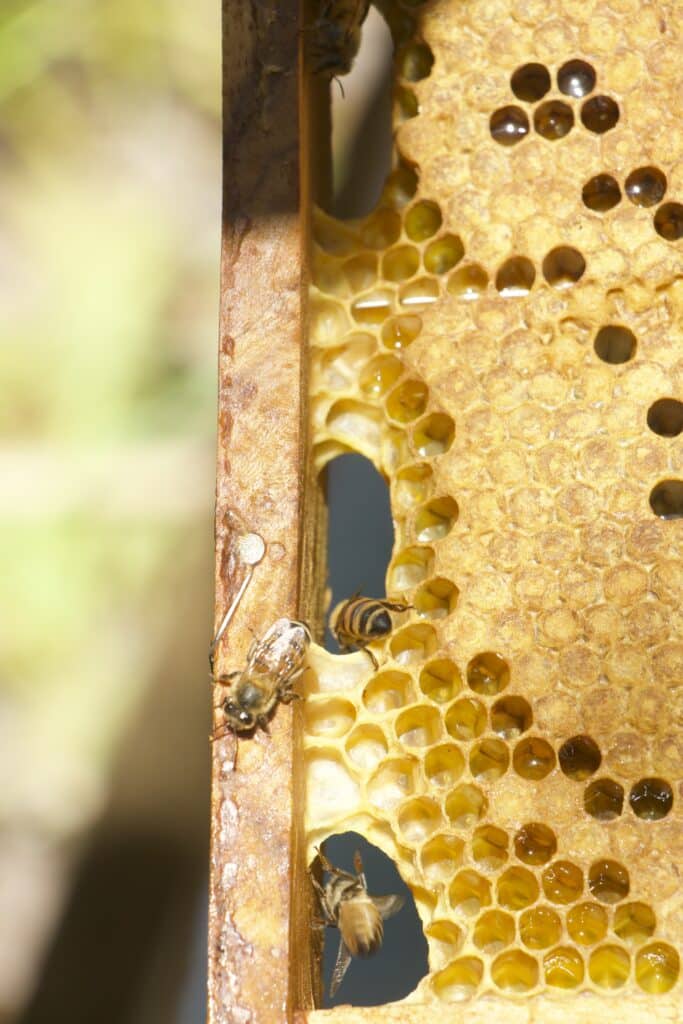

As a result of MarAlliance’s successful pilot earlier this year, a cooperative of 23 fishermen in Puerto Remedios is now managing hives that pollinate nearly 100 acres of mangrove forest and will produce about 5 gallons of honey per hive, per year. Some of that honey will be sold, with the rest going directly into household pantries.
A first step toward something bigger
While the bees at Puerto Remedios are already helping improve the health of mangrove forests, for MarAlliance the project is also about building relationships. Partnering with coastal communities to protect marine ecosystems is a long-term project—one which requires trust. The sort of trust that’s earned through benefits a community can feel right away, rather than through appeals to distant ecological outcomes. And based on the success of this pilot, MarAlliance is now bringing it to a river system in the Darién Gap, working with an Indigenous women’s group who stand to gain the same combination of income, food security, and a stronger stake in forest health.

It may be an ecological cliché to say “everything is connected.” But few examples make that clearer than a bee pollinating a mangrove flower, and in doing so, helping sustain both local communities and coastal ecosystems.