


At dawn along the Kinabatangan River, the forest stirs before the day’s heat settles in. Proboscis monkeys leap between trees, elephants leave tracks along muddy banks, and fishing boats glide past villages that have depended on the river for generations. Conservationist Marc Ancrenaz knows this unique landscape well; for decades, he has protected orangutans here, working hand-in-hand with the local Orang Sungai community. For the Orang Sungai, Kinabatangan is not just a landscape; it is home, history, and livelihood woven together. For Marc and his team at Hutan, protecting this landscape has meant proving people and wildlife can thrive together—a shared vision recognized in 2025 when the Kinabatangan was designated a UNESCO Biosphere Reserve.
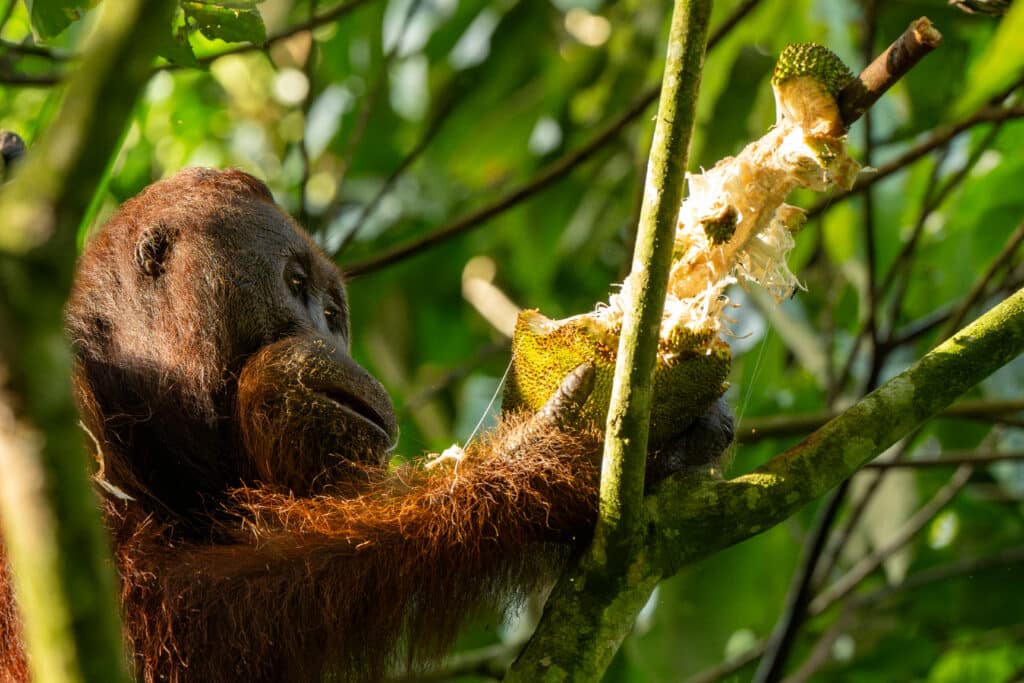
The Kinabatangan floodplain is a critical ecological corridor and one of Southeast Asia’s last remaining lowland forest passages. Yet this river corridor faces serious challenges. Decades of logging and agricultural expansion have degraded and fragmented the landscape, squeezing wildlife into isolated forest patches and bringing them into conflict with nearby communities. WCN’s Conservation Partners Hutan and Seratu Aatai work alongside these communities to protect the Kinabatangan’s wildlife—Hutan focusing on orangutans, Seratu Aatai on Bornean elephants.
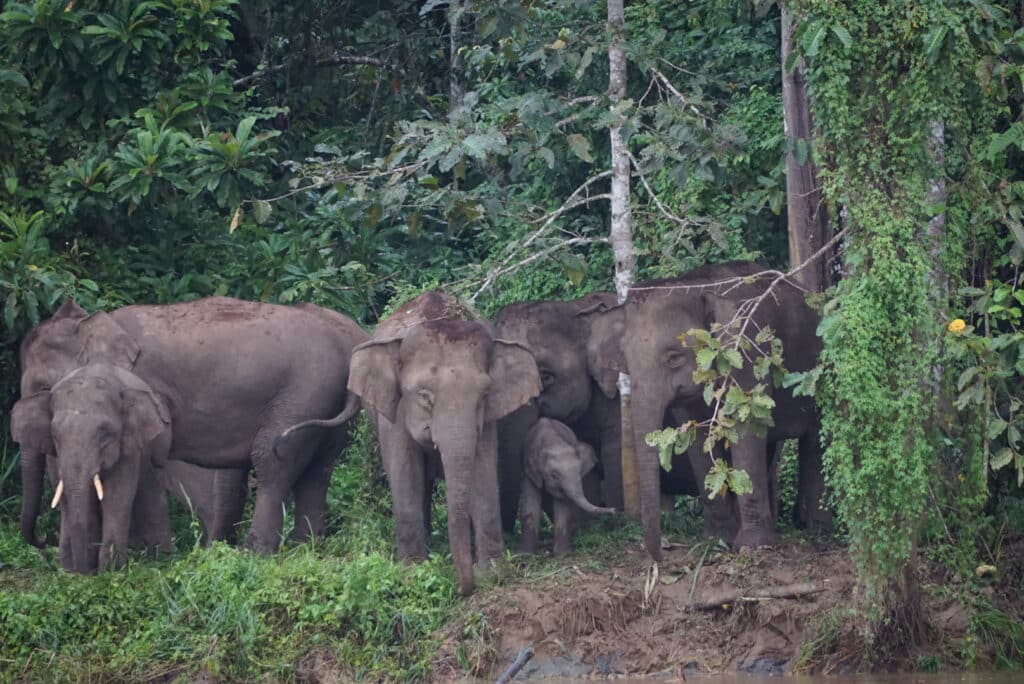
In late 2025, Hutan was appointed by the state government to work with Seratu Aatai, other NGOs, local communities, state agencies, and private-sector actors to secure international recognition for the Kinabatangan as one of 26 new UNESCO Biosphere Reserves.
Unlike strict nature preserves, biosphere reserves are places where people and nature coexist, models for how communities can live alongside wildlife while protecting ecosystems. The Kinabatangan floodplain exemplifies this; it’s a biodiversity hotspot where coexistence is both critical and challenging.
Both Hutan and Seratu Aatai have supported this region through years of conservation, habitat restoration, and community engagement. This designation provides the platform to bring together regional partners to develop and implement a holistic Biosphere Reserve Management Plan supporting habitat connectivity, human–wildlife coexistence, community-based conservation, and sustainable livelihoods.
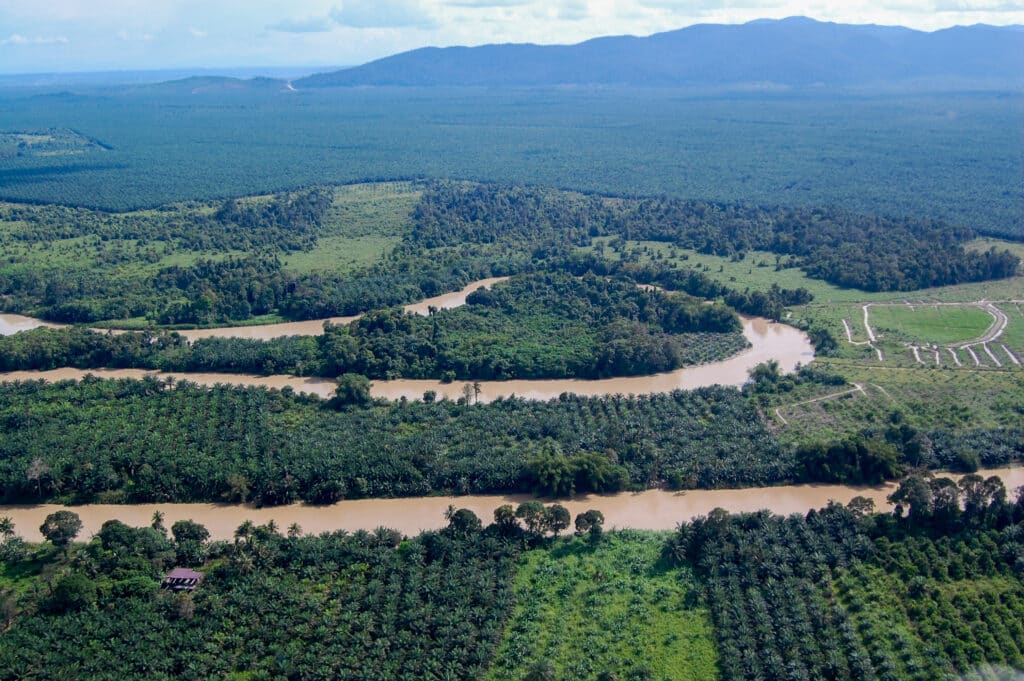
The biosphere designation is more than a title. It is a renewed commitment to partnership and local leadership, ensuring the river, its wildlife, and its communities continue to thrive together for generations to come.
WCN Impact: As members of WCN’s Partner Network, Hutan and Seratu Aatai receive essential resources for the sustainable growth of their grassroots organizations. When affected by US federal funding freezes in 2025, WCN’s Emergency Relief Fund was instrumental in filling the gap, with donor support increasing by more than 50% from 2024.