


The heartbeat of conservation is not found in the tools we use, but in the people who use them. When we strengthen our own organizations, we strengthen the future for the Grevy’s zebra.
— Peter Lalampaa, Executive Director, Grevy’s Zebra Trust
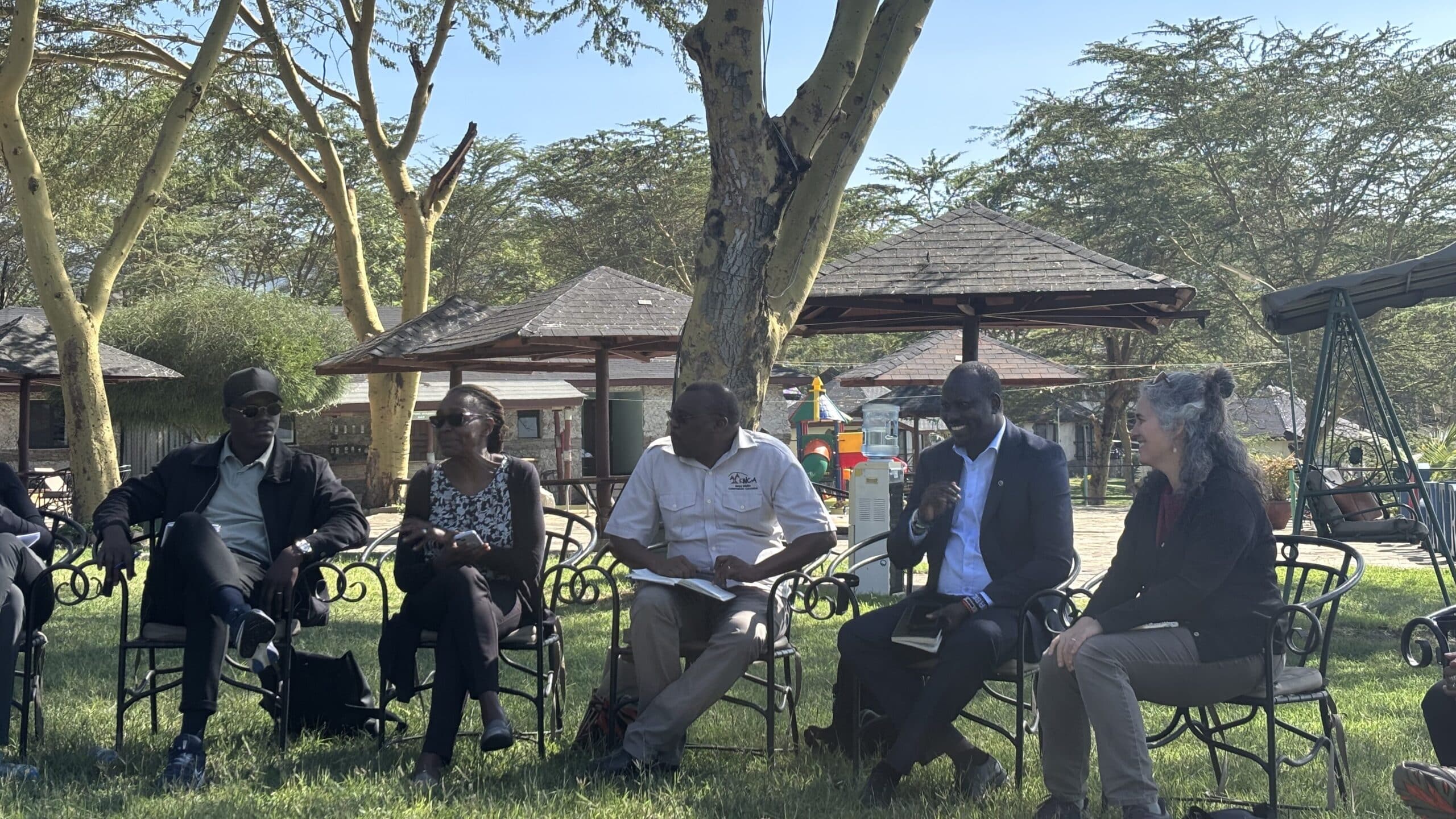
In November 2025, Grevy’s Zebra Trust (GZT) and Wildlife Conservation Network (WCN) attended collaborator Maliasili’s three-day Organizational Development Practitioners’ Gathering at Lake Elementaita in Gilgil, Kenya, bringing together 12 distinguished nonprofits from around the world to share insights and strengthen the pivotal roles they play in scaling up locally-led conservation organizations.
At WCN, we don’t just fund conservation — we fuel it. Our Partner Network is built on trust-based partnerships that strengthen local conservation organizations across the globe. As our staff provide direct technical expertise, strategic guidance, mentoring and skills training, conservationists and their organizations become more efficient, resilient and confident in their work.
Peter Lalampaa arrived at the gathering with the perspective of a leader who has spent decades navigating the complexities of community-led conservation. As both a Board Member and the head of one of WCN’s Partner organizations, Lalampaa bridged the gap between the strategic theory of organizational health and the frontline reality of conservation in northern Kenya. He was joined as a guest speaker by Dickson Kaelo, CEO of the Kenya Wildlife Conservancies Association (KWCA). Together, they shared lessons learned, best practices and the qualities of strong partnerships, offering guidance on building long-lasting, trust-based relationships. Across cultures and languages, conversations revealed that organizational development accelerates momentum and provides guardrails for partnership. As Kaelo noted, “we cannot achieve anything without strong institutions.” Both speakers identified organizational development as the work of nurturing young organizations through support, resource management and a push toward partner independence, further illustrating the strength of WCN’s model.
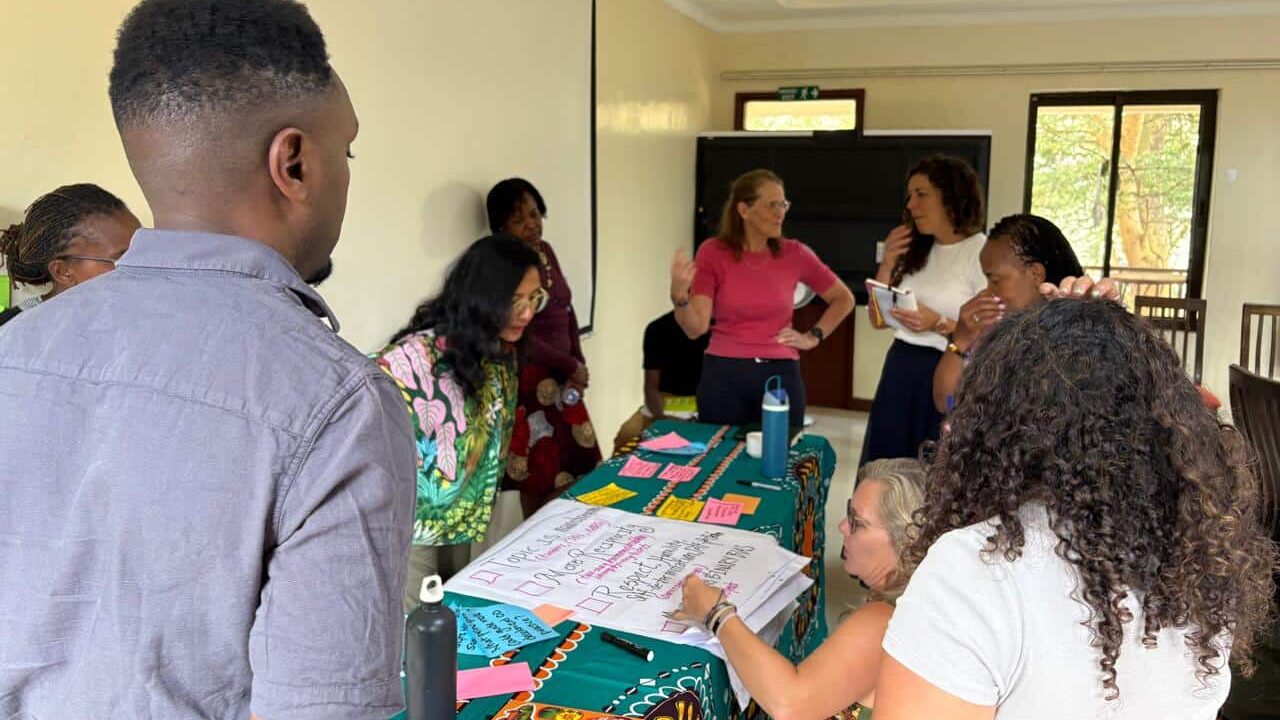
Discussions centered on three critical themes: Strengthening Organizational Development Approaches in Diverse Contexts, Methods and Approaches for Organizational Development Delivery, and Decolonisation and Localisation in Organizational Development. For GZT, this was more than a retreat. It was an opportunity to refine the internal engines that power their work. WCN spent the week facilitating workshops on organizational development tools and participating in dialogue around transdisciplinary problem-solving, ensuring that GZT’s internal structures are as resilient as the pastoralist communities they serve.
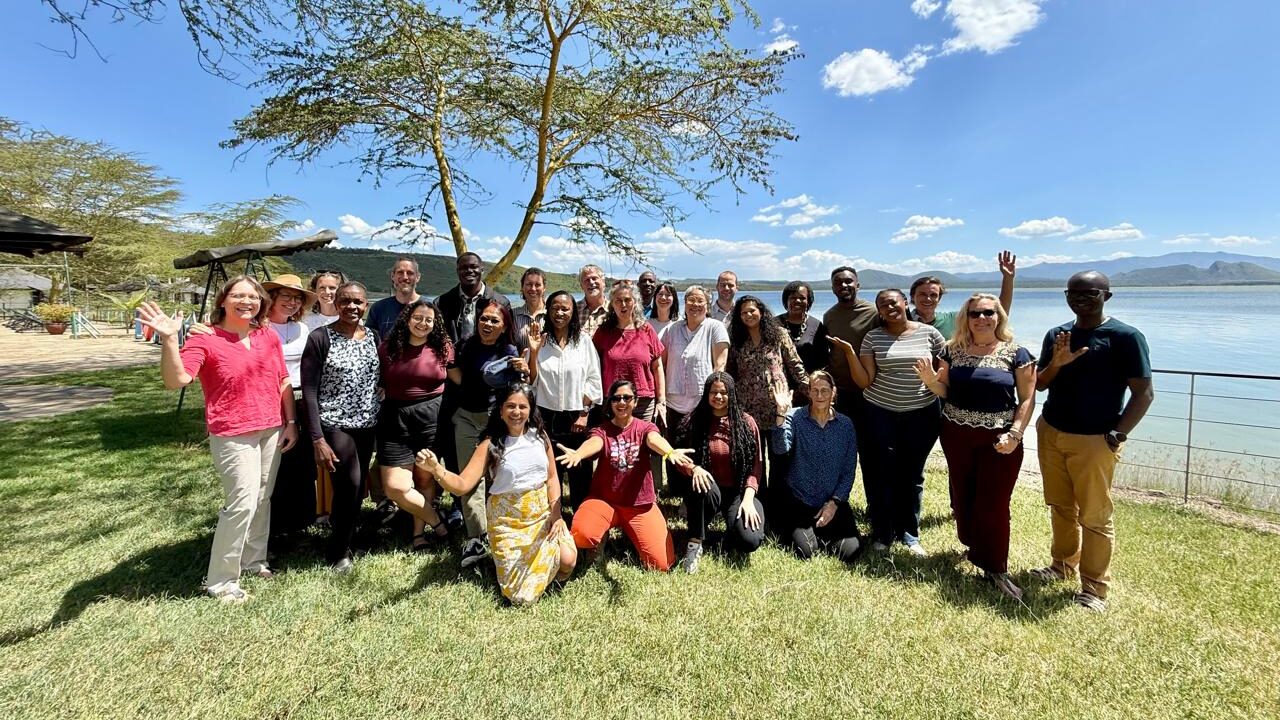
This gathering brought together organizations across contexts and geographies, united by a commitment to making organizational development a global priority. Guests included WCN conservation partners such as GZT, alongside collaborators including BirdLife International, Conservation Confluence, Synchronicity Earth and others. For WCN, the gathering also deepened its relationship with Maliasili, fostering clear alignment and strengthening shared values that open the door for continued mutual learning. The gathering resulted in a concrete roadmap for GZT’s next phase of growth. The primary takeaway was clear: a conservation organization can only be as effective as its people and its internal systems. By investing in GZT’s internal capacity, we are directly investing in the survival of the Grevy’s zebra.
At WCN, our commitment to scaling up locally-led conservation is matched by a global community of supporters whose generosity keeps this work alive. None of it is possible without our donors, whose steadfast commitment allows organizations like GZT to focus on what they do best: protecting wildlife and empowering communities.