


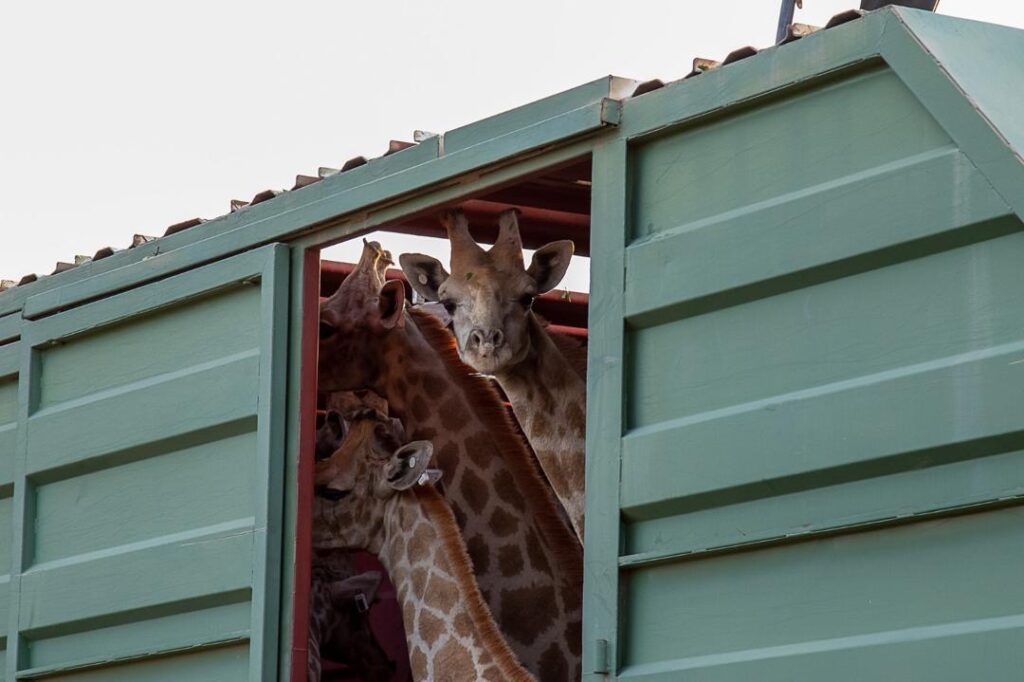
At first light, a helicopter lifts off over sand and scrub in northeastern Namibia, easing a herd of zebras toward a wide funnel that narrows into a boma (livestock enclosure). They’re later ushered into waiting trucks to travel hundreds of kilometers on gravel roads to a new home. Lise Hanssen, director of Kwando Carnivores Trust (KCT)—a grantee of WCN’s Lion Recovery Fund (LRF)—has watched this unfold many times. “It’s very calm, which always surprises me,” she says, sharing that herds travel together to keep families intact. “The trucks are kept dark to minimize the stress.” It’s a scene that plays out often in landscapes where LRF and its partners invest in rebuilding a depleted prey base in protected areas—because without zebras, springbok, and impala to hunt, lions can’t survive.
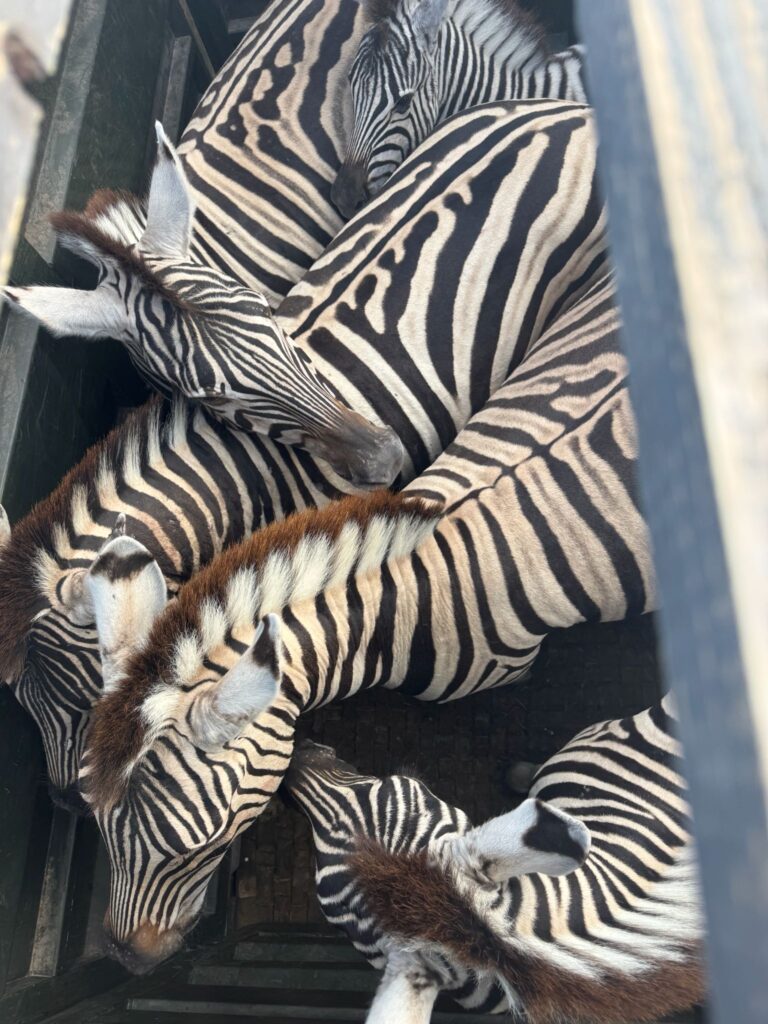
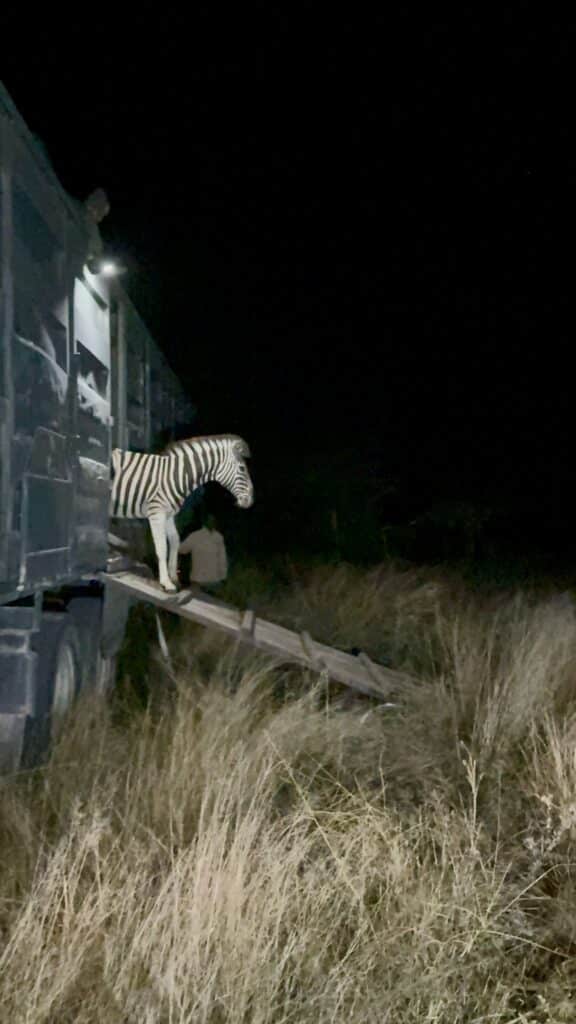
The zebras are part of a larger operation that recently moved about 595 animals from Etosha National Park into Khaudum National Park, Nyae Nyae community conservancy, and the Damaraland region. Years of drought stripped grazing bare in Damaraland, while in Khaudum and Nyae Nyae, decades-old veterinary fences—built to keep cattle and wildlife separate, but ultimately blocking migration and access to water—and poaching nearly wiped out zebra and impala populations. The animals were translocated by Namibia’s Ministry of Environment, Forestry and Tourism with support from the LRF, the Conservation Travel Foundation, and KCT. LRF Director Peter Lindsey says the translocations provide more than just nourishment for lions. “When lions have enough wild prey to hunt, they’re less likely to turn to livestock, easing the human-wildlife conflict that often ends in retaliatory killings,” he says. “With prey species back on the ground and communities invested in what happens next, we’re hopeful for the future of wildlife in Damaraland and Nyae Nyae.”
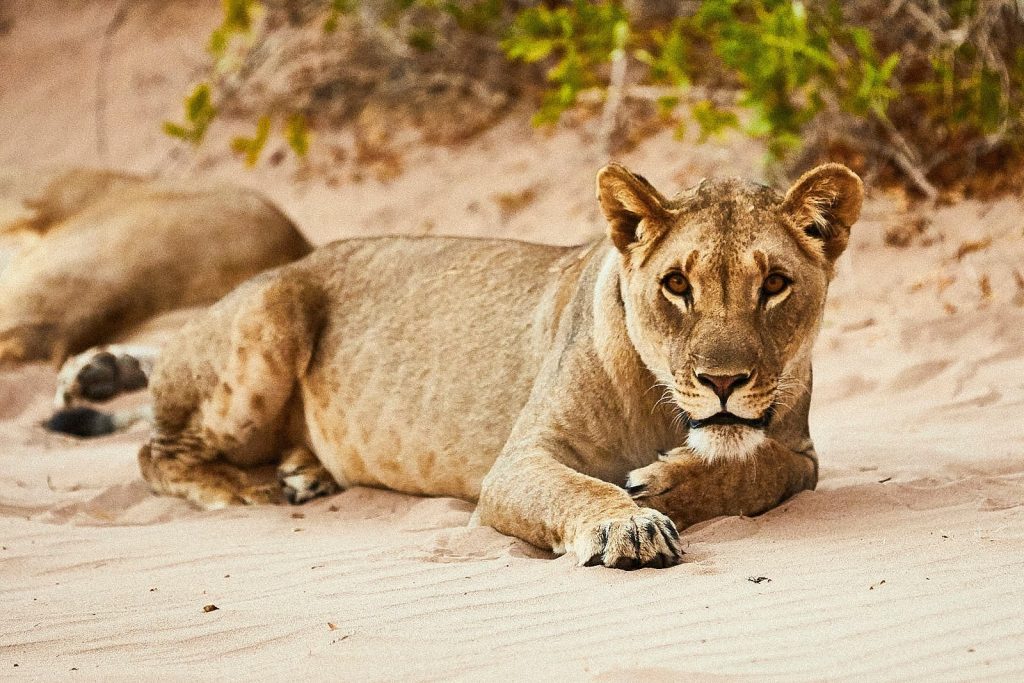
The lion population across the Khaudum–Nyae Nyae system had stalled at fewer than a dozen animals for over a decade. That began to change four years ago, when KCT and its partners started reintroducing zebra and impala to landscapes where both species had disappeared; those animals have since gone through three breeding seasons. Lise, who tracks lion numbers as a living scorecard for the landscape’s health, added six cubs to the tally this season. “They’re doing great,” she says. “Before, when we’d see cubs, they’d disappear—there wasn’t enough food. Now they’re surviving, growing, and eventually having their own cubs.” The system’s lion population has surpassed 55. “It’s a complete turnaround,” she says.
“It’s especially meaningful because these animals go into landscapes managed by the people who live alongside them—Namibia’s community-led conservation is recognized worldwide.” — Peter Lindsey
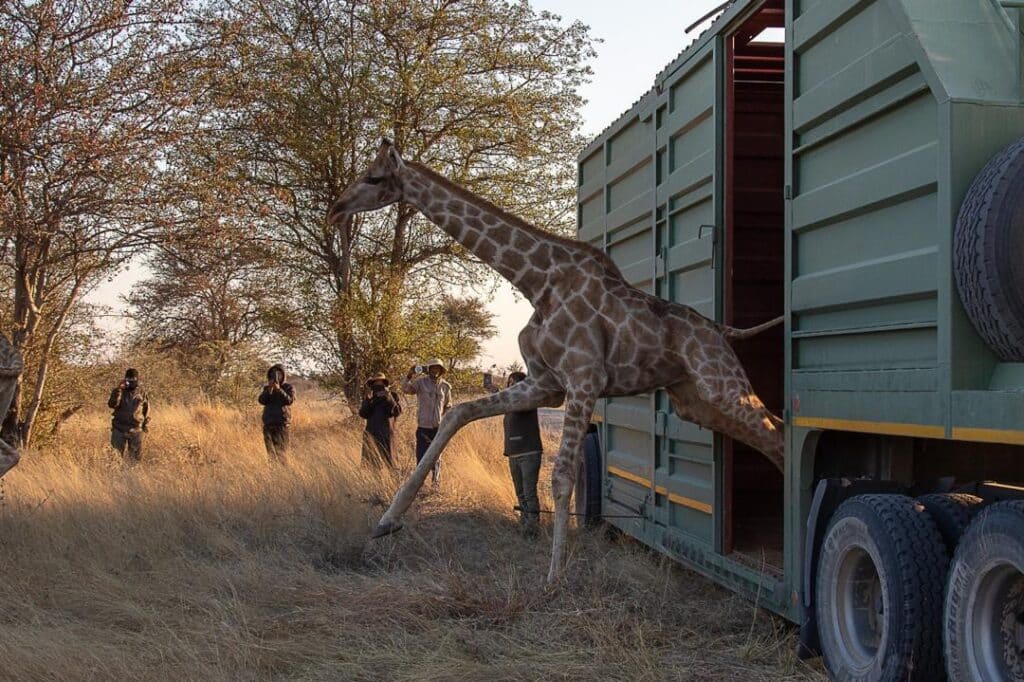
For LRF, it’s evidence, Peter says, that a struggling landscape, and the lions in it, can recover. It’s no small feat—relocating hundreds of animals is a massive undertaking. But there are also lighter moments, says Lise, who recalls one translocation in particular. When a giraffe descended from the truck into his new landscape one morning, he lowered his enormous head and looked her in the eye. She swiftly retreated; “It was the size of a skyscraper!” Looking back, she’s sure it was more curiosity than threat—in fact, these operations always remind her why she works in conservation. “It’s such a rewarding thing, putting wild animals back into the wild to make that area better.”